
Closing costs in NYC include more than lender fees and taxes. They also include prorations, which adjust expenses so buyers and sellers each pay only for the time they own the property. These adjustments often confuse first time buyers and sellers, especially in cooperatives and condos.
Here’s how prorations actually work.
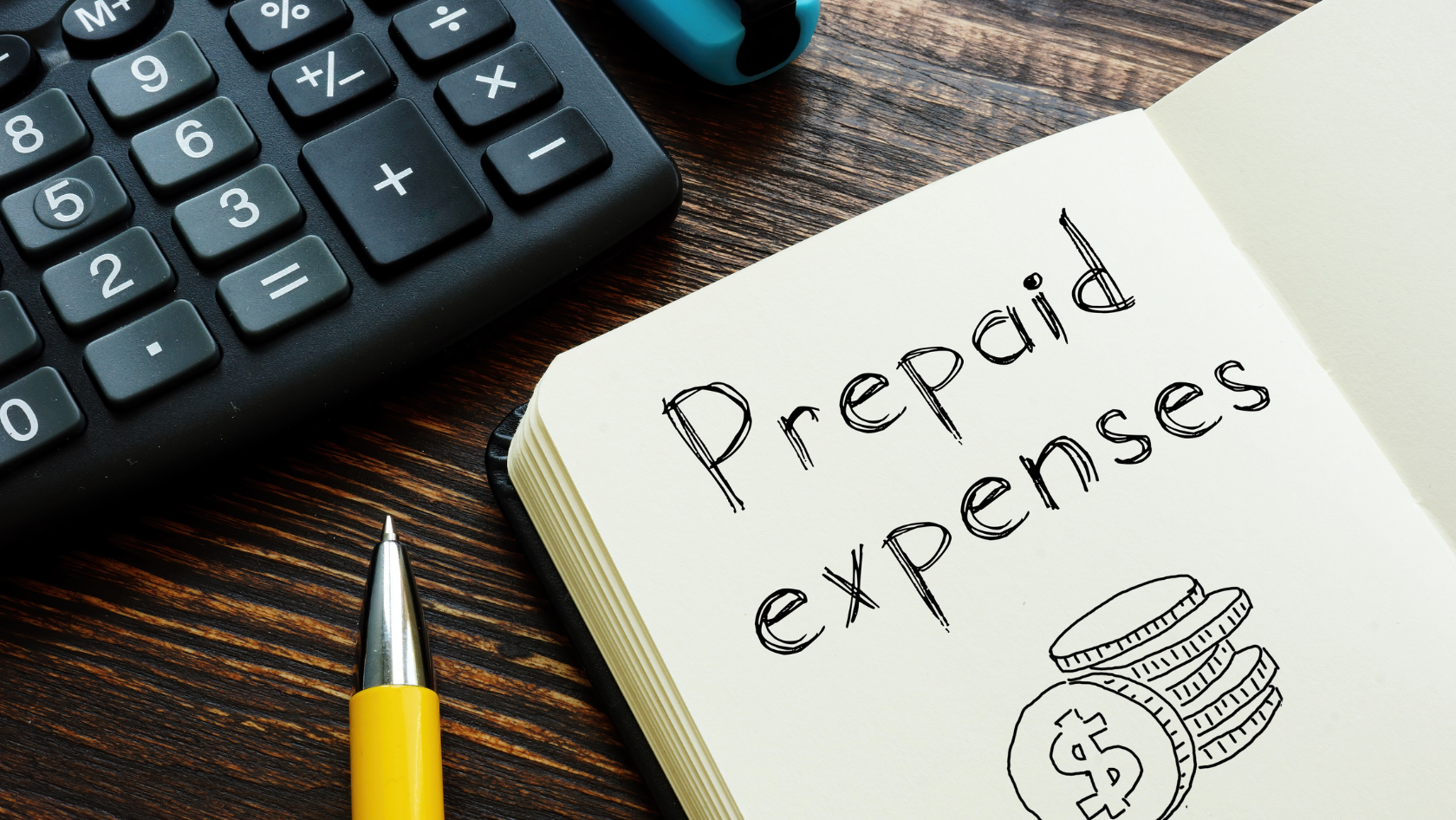
What Gets Prorated at Closing
Common prorations include:
Property taxes
Water and sewer charges
Condo common charges
Coop maintenance fees
Fuel oil in oil heated homes
The seller typically credits the buyer for any prepaid expenses beyond the closing date.

How the Math Works
Prorations are calculated to the day of closing. If taxes or maintenance are paid in advance, the seller gives the buyer a credit. If they are unpaid, the buyer may reimburse the seller for their portion. This ensures neither party overpays.
In NYC, tax billing cycles and coop payment schedules make prorations more complex than in suburban markets.

Common Proration Issues
Incorrect tax bill assumptions
Coop statements that change mid cycle
Delayed water bill updates
Closing dates shifting at the last minute
Reviewing prorations carefully prevents disputes after closing.
—
Joseph Ranola | Five-Star Staten Island & South Brooklyn Realtor® (30 + Google reviews)
Associate Broker · Matias Real Estate | Founder · Bridge & Boro Team
Serving 103xx and 11209 / 11214 / 11228 | $25 M + closed volume
📞 917-716-1496 | ranolarealestate.com
Check out this article next