
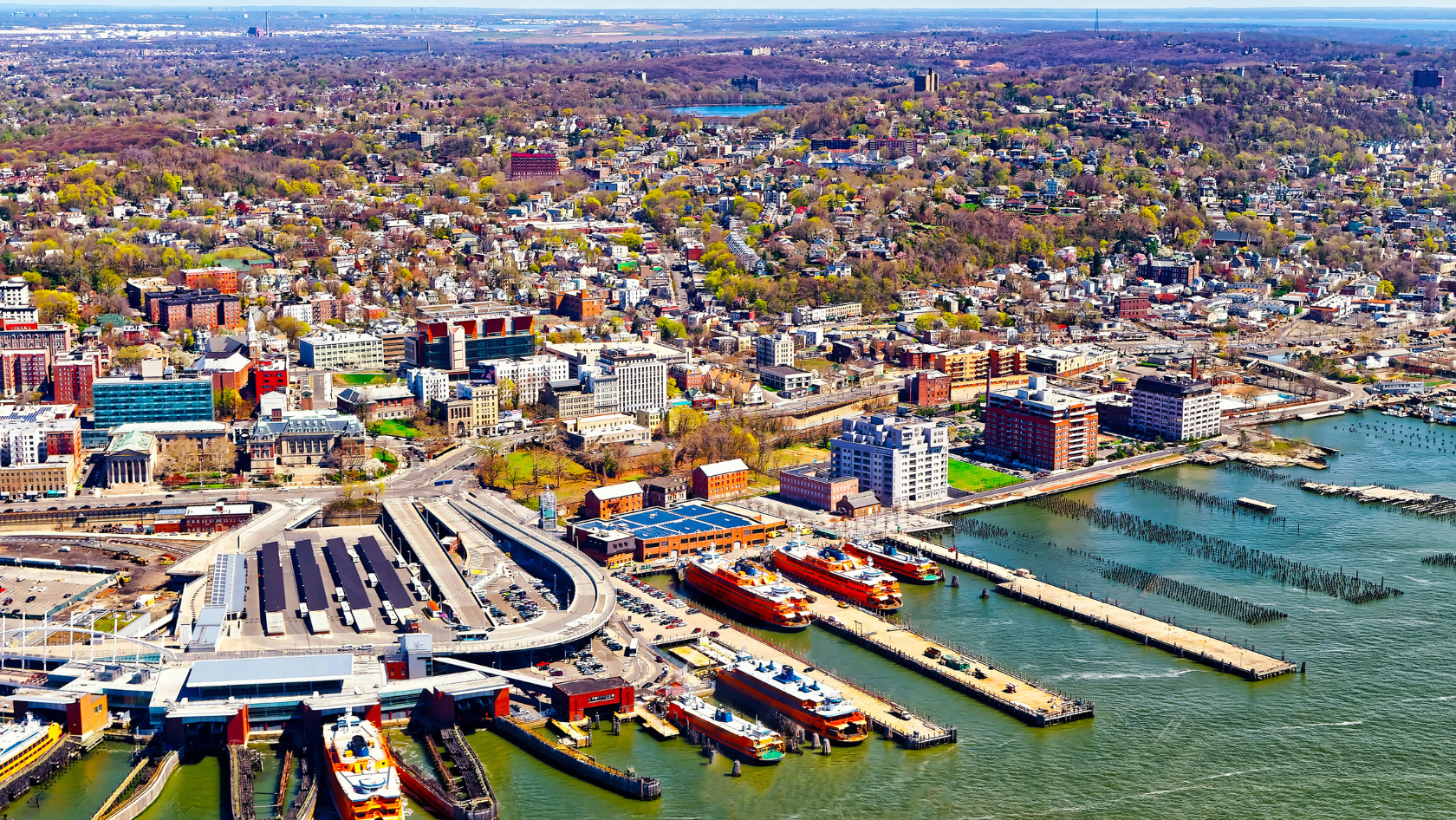
Most Staten Island home buyers spend three months touring neighborhoods that never had a real chance of working for their budget or lifestyle. This happens because buyers jump into weekend open houses without first nailing down the three fundamentals that determine where you should actually be looking - your budget range, your commute requirements, and the home style that fits your family. Instead of wandering through random listings, you need a focused approach that starts with understanding what each neighborhood actually offers and costs in 2026. This guide breaks down the six areas buyers ask about most - Todt Hill, Great Kills, Eltingville, Annadale, Huguenot, and New Dorp - with real pricing data, commute details including SIR and express bus options, and the day-to-day feel you get from walking these streets regularly. You'll learn what questions to ask during showings, how to compare similar listings across South Shore and Mid Island areas, and exactly how the Bridge and Boro real estate team matches buyers to neighborhoods so you avoid second-guessing your choice. By the time you finish reading, you'll have two or three neighborhood finalists that actually match your needs, plus a clear plan for touring homes and making offers with confidence. Your dream of owning a Staten Island home becomes achievable when you know exactly where to focus your search and why those areas make sense for your specific situation.
The 2026 Staten Island market in five minutes
Current data reveals exactly how buyers should approach Staten Island real estate this year. The numbers tell a clear story about timing, competition, and where to focus your energy when house hunting across the borough.
The 2026 snapshot (island-wide)
Recent market analysis shows these key metrics shaping buyer decisions:
- Median sale price increased 4.5 percent to $739,500
- Inventory levels fell 27.7 percent to 813 units
- Months' supply of inventory was down 23.4 percent to 2.5 months
What 72–78 days on market actually signals
Properties that sell quickly share three characteristics - accurate pricing, move-in condition, and convenient commuter access to Manhattan via SIR or express bus routes. These homes often receive offers within two weeks of listing, especially in neighborhoods like Great Kills and New Dorp where buyers can walk to transportation and shopping.
Homes that linger beyond 90 days typically suffer from pricing issues, needed repairs, or awkward layouts that don't match current buyer preferences. Properties with outdated kitchens, limited parking, or locations far from public transit consistently take longer to attract serious offers, regardless of neighborhood reputation.
Why prices are staying firm
Homeowners locked into mortgage rates below 4 percent rarely choose to sell unless life circumstances force the decision. This creates artificial scarcity because families who might normally upgrade to larger homes decide to renovate instead. Fewer move-up sellers means less inventory reaches the market, keeping price pressure steady even when buyer demand fluctuates.
What competition looks like in 2026
Multiple-offer situations concentrate in specific pockets - waterfront properties in Huguenot, updated colonials near SIR stations, and anything priced correctly in Todt Hill. These listings require aggressive strategies including escalation clauses and flexible closing dates. Negotiable listings appear in areas requiring longer commutes, homes needing significant updates, or properties priced above neighborhood comparables. Smart buyers identify which category a listing falls into before scheduling showings.
Prioritizing lifestyle fit over investment potential helps buyers make faster decisions when the right property appears. Moving quickly on correctly priced homes that match your commute and space requirements beats waiting for the perfect deal that may never materialize.
Pick your neighborhood fast with this buyer match cheat sheet
Smart buyers create focused target lists before stepping foot inside any property, saving weeks of wasted weekend tours in areas that never matched their requirements. This approach becomes essential when inventory stays tight and good homes receive offers within days of hitting the market. Streamlining your search to three neighborhoods maximum allows you to learn pricing patterns, understand commute realities, and spot value opportunities that broader searches miss entirely.
Todt Hill: Premium buyers seeking maximum privacy and high-end finishes find their match here, where custom homes feature luxury details like imported stone countertops and professionally designed landscaping that maintains property values even during market fluctuations.
Great Kills: Families drawn to waterfront recreation and solid value gravitate toward this area, which offers direct access to Great Kills Marina and multiple parks where children can bike safely while parents enjoy reasonable home prices compared to other waterfront communities.
Eltingville: Residents who prioritize convenient daily errands and stable South Shore living choose this neighborhood for its walkable shopping strips and reliable public transportation that connects seamlessly to both Manhattan and local Staten Island destinations.
Annadale: Buyers wanting generous lot sizes and peaceful residential streets discover this area provides the wooded feel and space for gardens, pools, or home additions that smaller lots elsewhere cannot accommodate.
Huguenot: Homeowners focused on long-term wealth preservation and suburban prestige select this upscale community where property values demonstrate consistent appreciation and neighborhood pride shows in well-maintained homes and manicured lawns.
New Dorp: Transit-dependent buyers and those seeking walkable convenience find this neighborhood delivers both SIR access and pedestrian-friendly business districts where residents can accomplish errands without driving to multiple locations.
Matching your non-negotiable requirements against these six profiles eliminates neighborhoods that cannot work for your situation. Start with your maximum acceptable commute time to Manhattan, then factor in parking needs if you own multiple vehicles or work from home frequently. School district quality becomes critical for families with children, while yard size requirements rule out certain areas entirely for buyers wanting space for pets, entertaining, or hobbies. Flood risk tolerance also shapes decisions since "you are 5 times more likely to experience flood than a fire" in moderate-risk zones, making flood insurance costs part of your monthly housing budget. Cross-reference these priorities with each neighborhood's strengths to identify your two strongest matches, then schedule concentrated tours in those areas rather than scattered viewings across the entire borough.
Neighborhood breakdowns with prices vibe commute and who it fits
Detailed comparisons across Staten Island's six most sought-after residential areas reveal significant differences in daily living costs, transportation access, and property characteristics that determine long-term satisfaction. Understanding these street-level distinctions prevents costly mistakes and helps buyers focus tours on areas where they can realistically compete and achieve their homeownership goals. Each neighborhood presents unique opportunities and challenges that become apparent only through careful analysis of pricing trends, commute logistics, and property-specific considerations during showings.
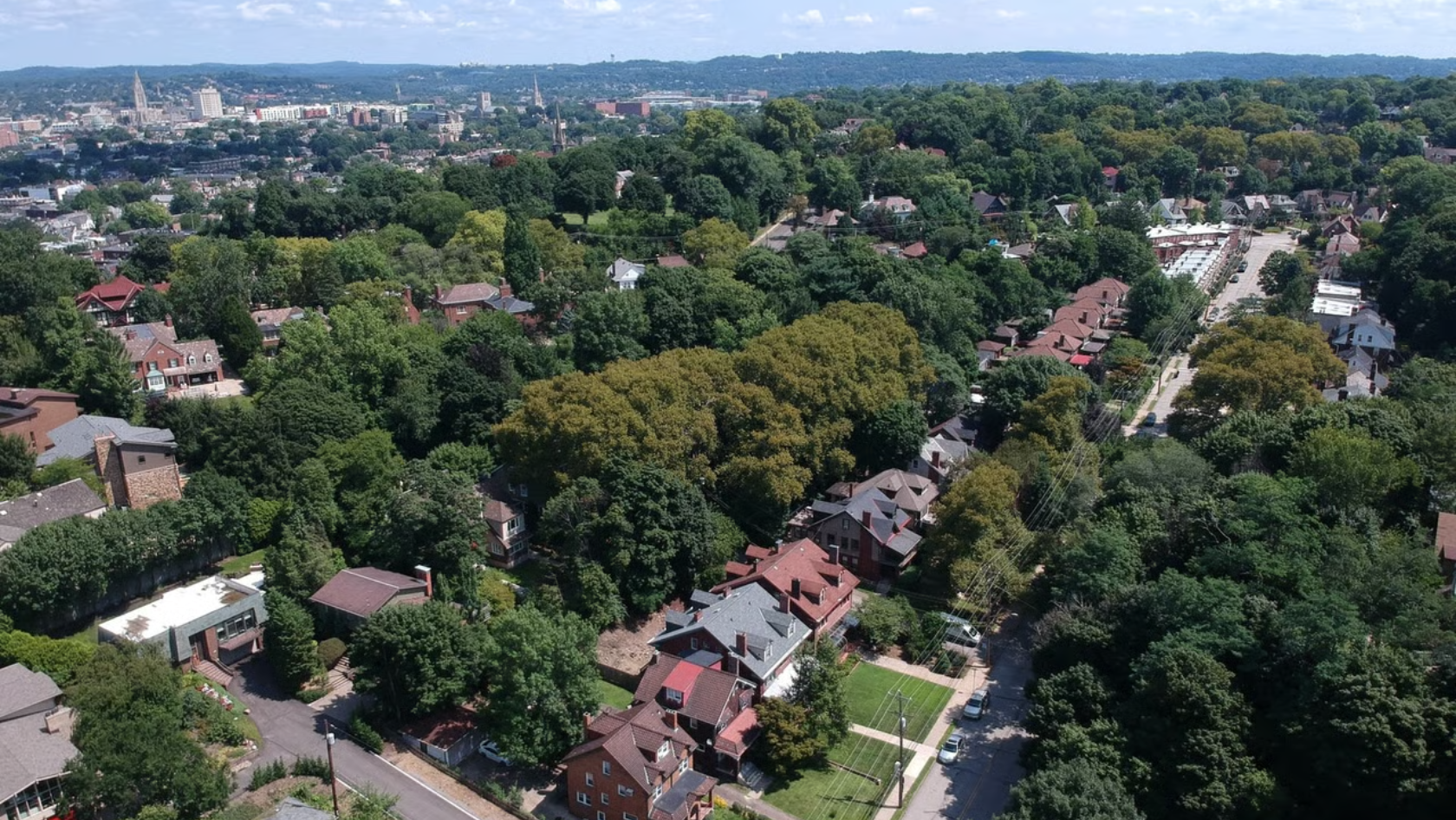
Todt Hill
Typical 2026 price range: Homes consistently sell between $870,000 and $1.25 million, with premium properties exceeding these figures.
The vibe: Secluded residential streets feature professionally landscaped properties where homeowners maintain exceptional standards for curb appeal and architectural integrity. This creates an atmosphere of refined suburban living with significant privacy between homes.
Commute options: Residents rely on SIR connections to St. George Terminal followed by ferry service to Manhattan, plus express bus routes that provide direct access to Midtown business districts.
Who it fits best: Buyers seeking maximum space, elevated views, and a prestigious address where property values demonstrate consistent appreciation over time.
Showing notes / watch-outs: Sellers often price homes optimistically based on neighborhood reputation rather than recent comparable sales, leading to extended market times beyond 90 days. Properties that linger typically need price adjustments of $50,000 to $100,000 to attract serious offers. Inspect custom features carefully since luxury details like imported materials or high-end appliances may not add proportional value during resale.
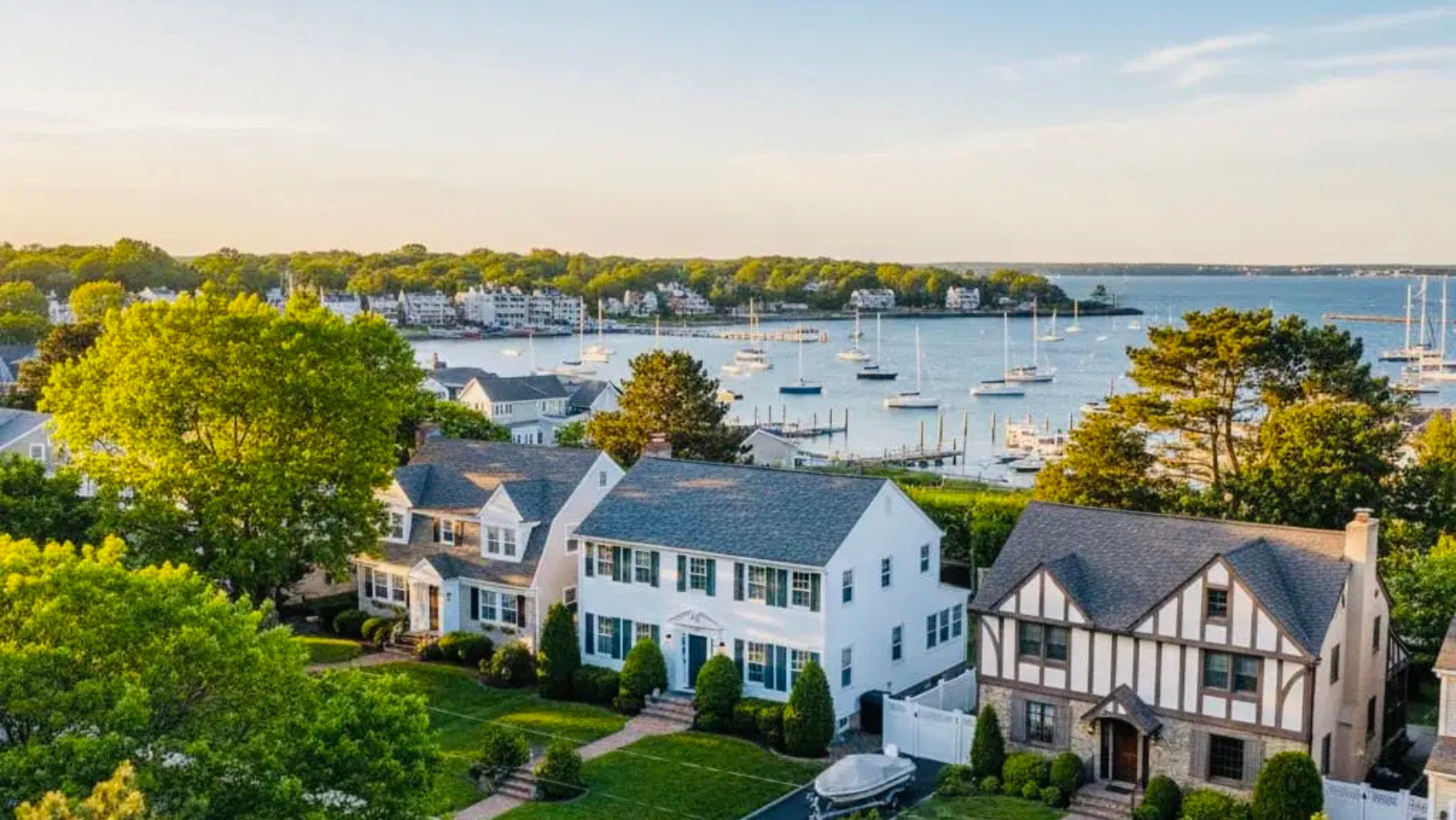
Great Kills
Typical 2026 price range: Most properties fall within $700,000 to $850,000, offering solid value for families seeking waterfront proximity.
The vibe: Marina access and multiple parks create a recreational atmosphere where residents enjoy boating, fishing, and outdoor activities as part of their regular routine. Family-oriented community events and youth sports programs strengthen neighborhood connections.
Commute options: SIR provides reliable Manhattan access, while express bus routes offer alternative transportation during peak hours when ferry service experiences delays.
Who it fits best: First-time buyers and expanding families who want recreational amenities without paying premium prices found in other waterfront communities.
Showing notes / watch-outs: Waterfront properties require flood zone verification since insurance costs vary dramatically based on elevation and proximity to water. Properties closer to Great Kills Harbor command higher prices but may face seasonal flooding risks. Check basement conditions carefully and confirm sump pump systems function properly during heavy rainfall periods.
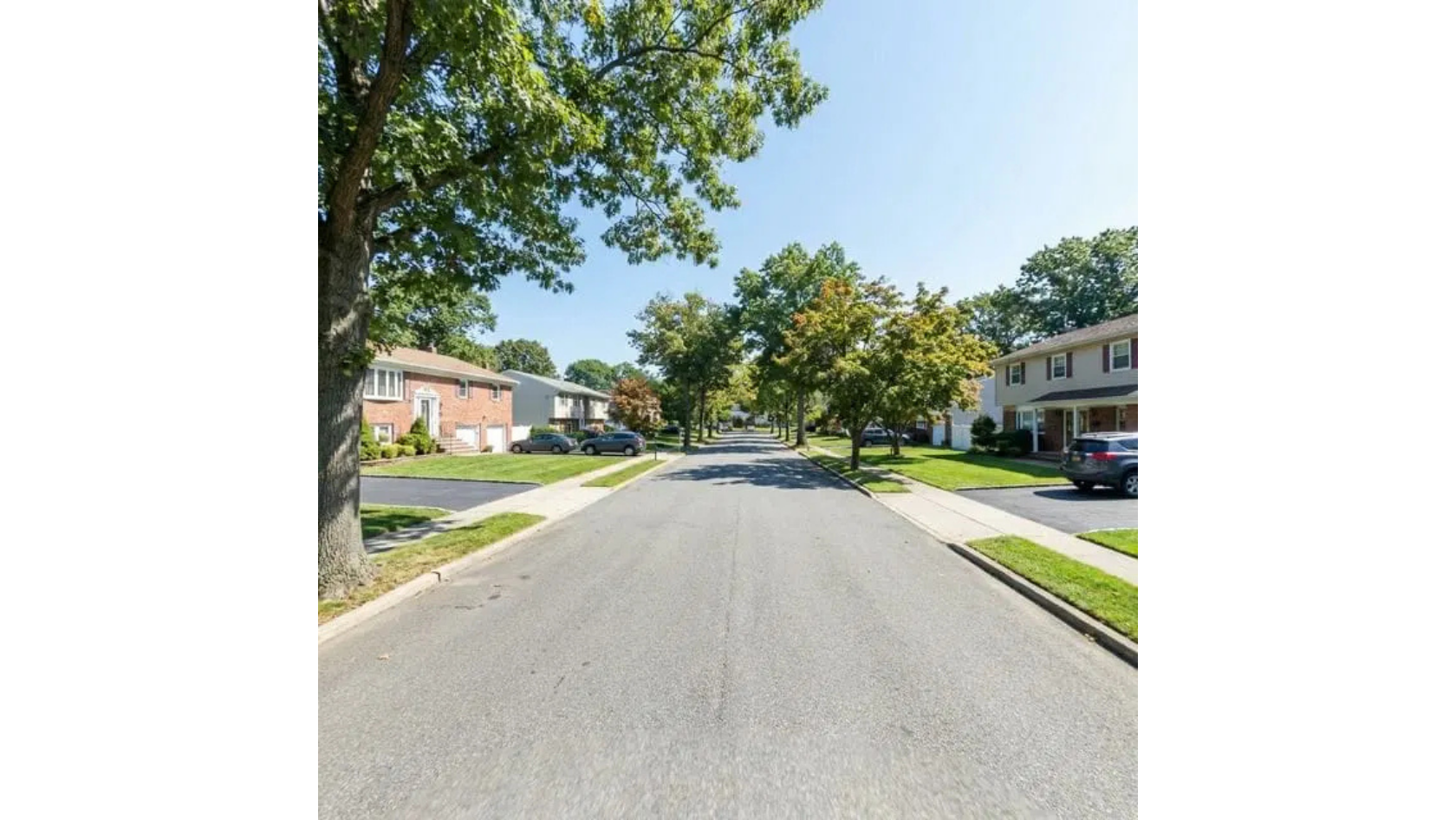
Eltingville
Typical 2026 price range: Established homes sell between $750,000 and $900,000, reflecting the area's reputation for stability and convenience.
The vibe: Mature tree-lined streets and walkable business districts create a traditional suburban environment where residents accomplish daily errands on foot. Long-term homeowners contribute to neighborhood stability and property maintenance standards.
Commute options: SIR stations provide direct Manhattan access, while express bus services offer additional routing options toward Midtown destinations during business hours.
Who it fits best: Multi-generational buyers and those prioritizing resale strength find this area delivers consistent property appreciation and buyer interest.
Showing notes / watch-outs: Many homes feature 1950s-era layouts with smaller bedrooms and limited storage compared to modern construction. Focus on properties where owners have updated electrical systems, plumbing, and HVAC equipment. Kitchen and bathroom renovations significantly impact value, so compare renovation quality across similar listings.
Annadale
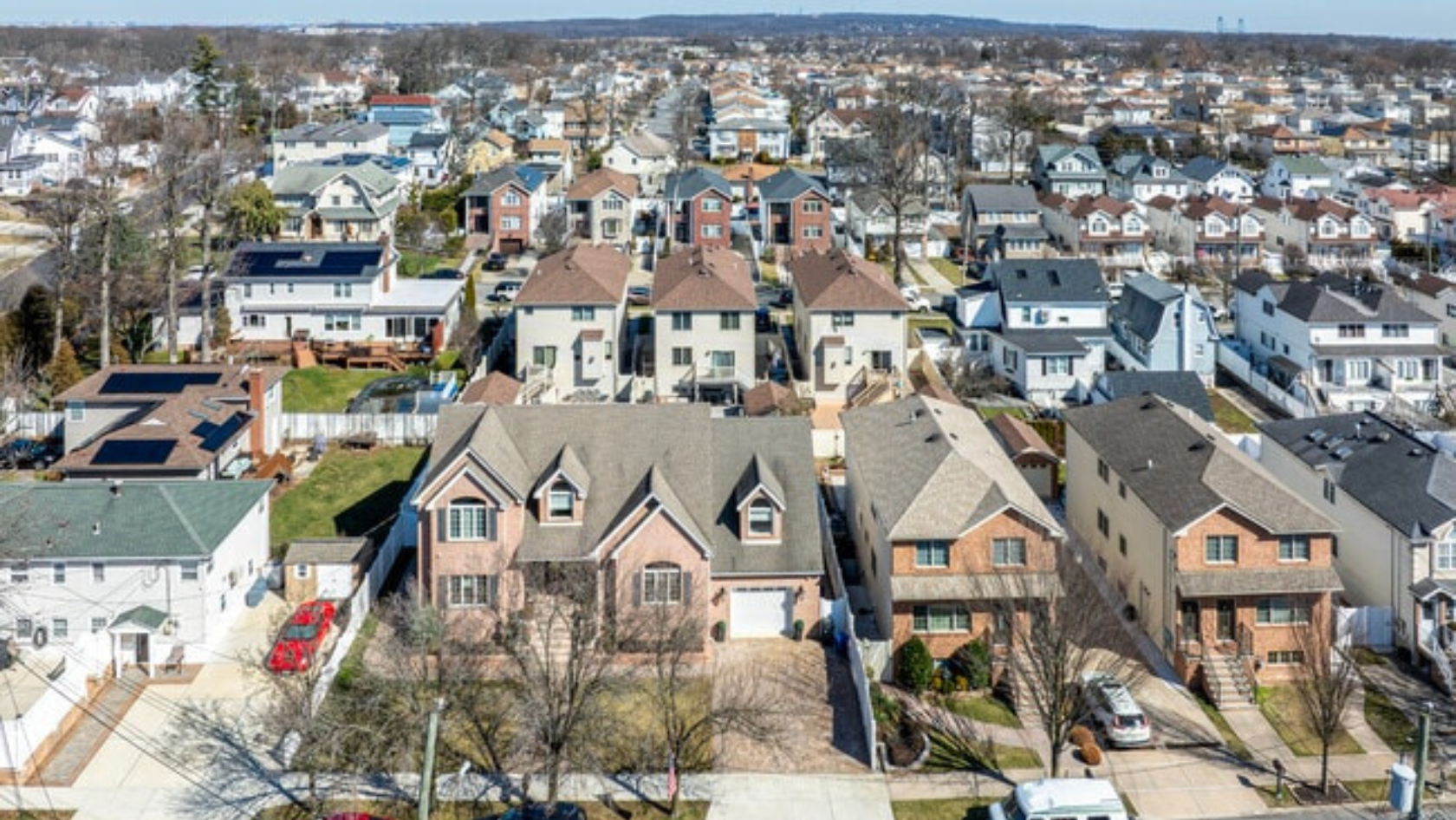
Typical 2026 price range: Properties typically range from $800,000 to $950,000, reflecting the premium buyers pay for larger lots and privacy.
The vibe: Tree-covered streets and generous property sizes create a secluded residential atmosphere where neighbors maintain distance and privacy. Natural settings appeal to buyers wanting space for gardens, pools, or outdoor entertaining.
Commute reality: Transportation access depends heavily on specific location within the neighborhood, with some areas requiring car travel to reach SIR stations or express bus stops.
Who it fits best: Buyers prioritizing lot size, privacy, and a quieter residential pace find this area meets their space requirements.
Showing notes / watch-outs: Larger lots may include septic systems rather than municipal sewer connections, requiring inspection and maintenance considerations. Drainage patterns become critical during heavy rainfall, so check basement conditions and property grading. Well water systems need testing and ongoing maintenance that municipal water users avoid.
Huguenot
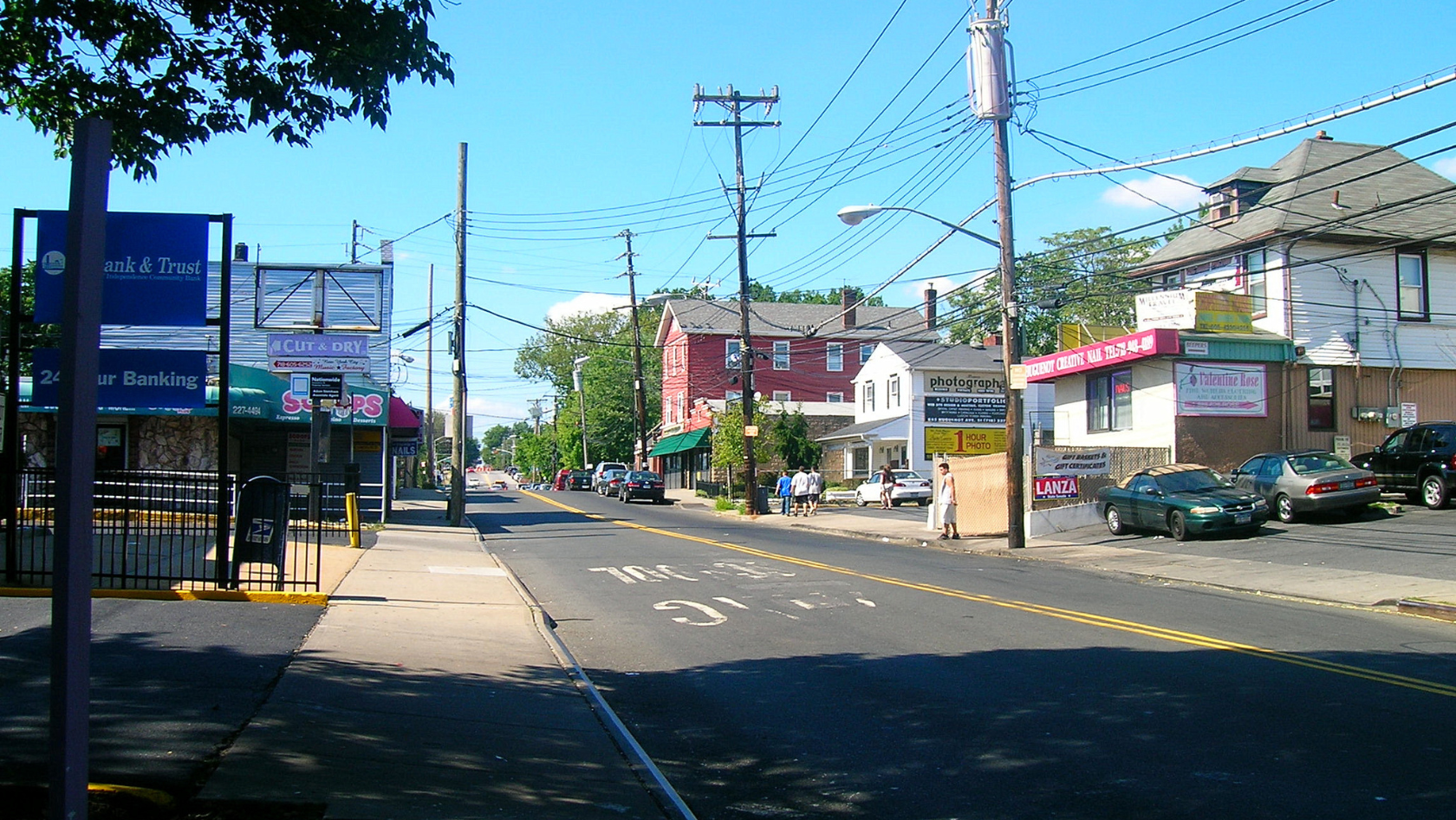
Typical 2026 price range: Quality homes sell between $780,000 and $920,000, with custom properties commanding higher prices based on unique features.
The vibe: Upscale suburban streets showcase custom architecture and meticulous property maintenance where homeowners invest significantly in landscaping and exterior improvements. Pride of ownership shows in well-maintained driveways, professional landscaping, and architectural details.
Commute paths: Transportation options vary by specific location, with some areas offering convenient SIR access while others require driving to transit connections.
Who it fits best: Professionals seeking move-up properties and buyers focused on long-term wealth preservation through real estate ownership.
Showing notes / watch-outs: Custom-built homes and extensive renovations can create dramatic value differences between similar-sized properties. Pool maintenance, custom landscaping, and high-end finishes require ongoing investment that affects total ownership costs. Verify renovation permits and professional installation for major improvements like pools, additions, or electrical upgrades.
New Dorp
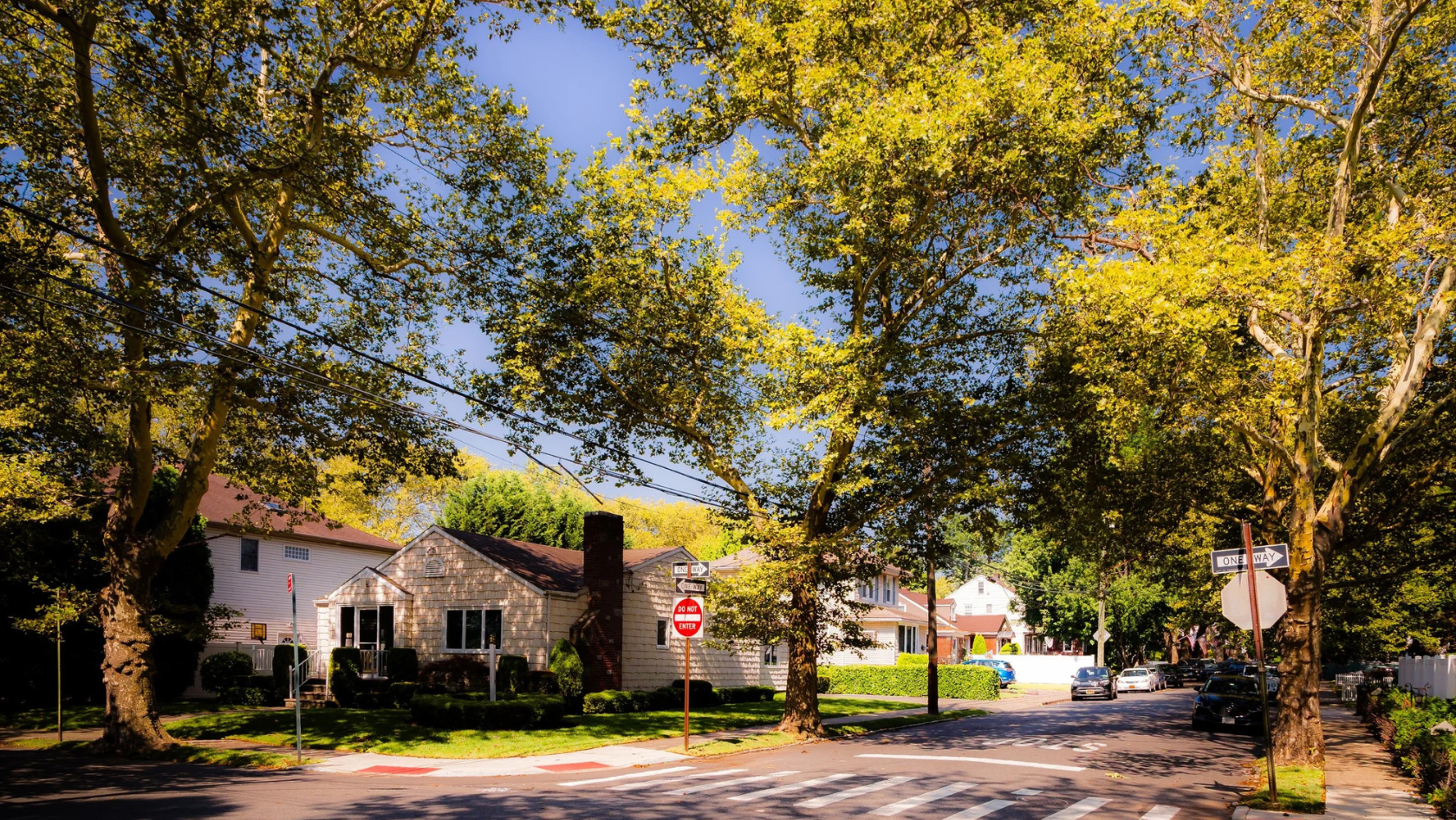
Typical 2026 price range: Value-conscious buyers find homes between $640,000 and $750,000, making this area accessible for first-time purchasers.
The vibe: Urban-style walkability combined with beach proximity creates a dynamic residential environment where residents can walk to shopping, dining, and recreational activities. Business districts provide convenient access to services and entertainment options.
Commute advantage: SIR provides reliable Manhattan connections, while "frequent express buses" offer multiple routing options during peak travel periods.
Who it fits best: Young couples and value-focused buyers who want transit accessibility and potential for property appreciation over time.
Showing notes / watch-outs: Older homes often feature updated kitchens and bathrooms, but renovation quality varies significantly between properties. Layout modifications may create awkward room configurations or reduce natural light. Compare "updated" listings carefully since cosmetic improvements don't always address underlying systems like plumbing, electrical, or HVAC equipment.
Selecting two or three finalist neighborhoods allows concentrated touring within specific areas where you can compare similar properties and understand local pricing patterns. Schedule multiple showings within the same neighborhood during a single day to develop accurate impressions of street-to-street differences and property values.
Commute reality check SIR express buses driving and what it feels like daily
Testing your transportation routine before falling in love with a property prevents devastating discoveries after you've already committed to a mortgage. This step eliminates homes where your daily travel becomes a source of stress rather than a manageable part of your routine. Performing actual trial runs during peak hours reveals the true cost in time, money, and energy that real estate listings never mention.
- SIR → St. George → Ferry workflow: Your journey begins with getting to the nearest station, which might involve a 10-minute walk from your driveway or a 15-minute drive with parking challenges during rush hour. The actual SIR ride consumes another 15-25 minutes depending on your starting station, followed by the transfer at St. George where you'll climb stairs, navigate crowds, and wait for the next ferry departure. When listings mention "20 to 30 minutes to the ferry," they're only counting the train ride itself and exclude parking time, platform waiting, walking between connections, and the buffer time needed for missed trains. Service runs 24 hours a day between terminals, but frequency varies dramatically between peak and off-peak hours, affecting your backup options when delays occur.
- What "daily feel" actually is on SIR/ferry days: Morning rush hour transforms normally spacious train cars into packed commuter sardine cans where finding a seat becomes competitive. Winter weather creates additional delays when ice affects rail switches, while summer heat makes crowded cars uncomfortable and increases passenger frustration levels. The St. George transfer involves climbing multiple flights of stairs while carrying work bags, laptops, and coffee, then waiting in ferry terminal lines that can stretch 20-30 people deep during peak departure times. Missed connections cascade into 30-45 minute delays since ferry schedules don't align perfectly with train arrivals, especially during off-peak hours when both services run less frequently.
- Express bus life (who it works for): Professionals with flexible start times between 8:30-9:30 AM find express buses work well since they avoid the worst rush hour congestion and offer more predictable timing than the SIR-ferry combination. Routes typically take 45-75 minutes to Midtown destinations, but this range expands to 60-90 minutes during bad weather, accidents, or holiday periods when traffic patterns change completely. Reliability means understanding that your commute might vary by 20-30 minutes daily rather than expecting consistent timing, so buyers who need to arrive at specific times every morning often struggle with this uncertainty. Evening return trips face similar variability, with buses running 15-20 minutes behind schedule during peak hours when Manhattan traffic slows to a crawl.
- Driving reality (tolls + access): Verrazano-Narrows Bridge tolls currently cost $13.17 each way for cars without E-ZPass, creating a $26+ daily expense that adds roughly $500-600 monthly to your transportation budget. Bridge approach traffic varies wildly based on accident locations, construction schedules, and weather conditions that can turn a 25-minute drive into a 75-minute ordeal without warning. School zones near your home create 15-20 mph speed limits during drop-off and pickup hours, while commercial strips with delivery trucks and double-parked vehicles slow local travel even when highway access runs smoothly. Parking availability at your workplace determines whether driving makes financial sense, since Manhattan garage fees can exceed $400 monthly in Midtown locations.
- Two-commute test method before you offer: Schedule one Tuesday or Wednesday morning departure at your normal work time, recording your door-to-door travel duration, parking search time, and stress level on a 1-10 scale throughout the journey. Return that same evening during your typical departure time, noting delays at each connection point, crowding levels, and whether you felt comfortable with the overall experience. Document the worst bottleneck during each trip - whether that's parking at the SIR station, waiting for ferry connections, or sitting in bridge traffic - since these pain points determine your daily satisfaction more than average travel times do.
Recording these specific metrics creates a realistic foundation for comparing different neighborhoods and properties. Homes that require 90+ minute door-to-door commutes or create daily stress levels above 7/10 should be eliminated from consideration regardless of their other attractive features.
On the ground showing tips that save you thousands
Walking through properties with a systematic inspection approach separates smart buyers from those who discover expensive surprises after closing. Your goal during each showing involves two critical tasks - spotting hidden costs that sellers haven't disclosed and identifying leverage points for negotiation before emotional attachment clouds your judgment. This methodical walkthrough strategy prevents costly mistakes and positions you to make informed offers based on actual property conditions rather than surface appearances.
Neighborhood-specific deal breakers to verify before you fall in love
Great Kills and Huguenot properties near waterfront areas require immediate flood zone verification since "Property owners with federally-backed mortgages on buildings identified in the high-risk areas" face mandatory insurance requirements that can add $200-800 monthly to housing costs. Walk the property perimeter during your showing and observe how water flows during rainfall - properties where water pools near foundations or basement entrances signal drainage problems that create ongoing moisture issues. Annadale homes with larger lots often feature septic systems rather than municipal sewer connections, requiring inspection of drain fields and potential replacement costs ranging from $15,000-25,000 when systems fail.
Todt Hill properties built on slopes present unique grading challenges where improper drainage creates foundation settlement and basement seepage problems. Check basement walls for hairline cracks, water stains, or mineral deposits that indicate seasonal moisture intrusion. Eltingville and New Dorp homes near commercial strips may experience drainage backup during heavy storms when municipal systems become overwhelmed, creating basement flooding risks that standard homeowners insurance doesn't cover.
Basement, drainage, and water history: how to read the clues on a showing
Start your basement inspection by checking corners where walls meet floors for dark staining, white chalky deposits, or musty odors that indicate moisture problems. Look for sump pump installations, dehumidifiers running constantly, or recently painted basement walls that might hide water damage evidence. Examine the area around basement windows and doors for rust stains on metal frames or warped wood that suggests regular water contact.
Outside the property, observe how gutters discharge water and whether downspouts direct flow away from the foundation or create pooling near basement walls. Walk around the property during or immediately after rainfall to see actual water flow patterns rather than relying on seller descriptions. Check for recently installed drainage systems, French drains, or waterproofing work that might indicate ongoing moisture battles.
When asking about water history, phrase your question specifically - "Has water ever entered the basement or crawl space during heavy storms or spring thaw periods?" This wording gets more honest responses than general questions about flooding. Sellers who immediately mention their sump pump system or recent waterproofing work are often acknowledging moisture issues without directly admitting to flooding problems.
Renovations and permits: what counts as "recent" and what's just cosmetic
Fresh paint, new flooring, and updated fixtures create impressive visual impact but don't address expensive underlying systems that determine long-term ownership costs. Focus your attention on major components - roof age and condition, HVAC system installation dates, electrical panel upgrades, and window replacement timing. These improvements require permits and professional installation, distinguishing them from cosmetic updates that homeowners can complete themselves.
Ask specifically about permit history for any major renovations, additions, or system replacements completed within the past five years. Unpermitted work creates potential legal and insurance complications that can cost thousands to resolve during your ownership. Sellers who produce permits readily demonstrate transparency, while those who claim work "didn't require permits" often signal corners were cut during installation.
Is it priced at market—or will it sit and become negotiable?
Properties priced correctly for current market conditions typically receive showings within the first two weeks and generate offers within 30 days of listing. Homes that remain active beyond 45 days usually suffer from pricing issues, needed repairs, or location disadvantages that sellers haven't acknowledged in their listing price. Pay attention to showing traffic during your visit - multiple appointment slots and busy weekend open houses indicate competitive interest, while empty parking and minimal visitor activity suggest negotiation opportunities.
Listen to how listing agents discuss offers and timing during your showing. Agents who mention "motivated sellers" or emphasize flexible closing dates often signal willingness to negotiate below asking price. Properties where agents immediately discuss comparable sales or justify pricing typically face market resistance and may require price reductions to attract serious buyers.
The questions to ask at every showing (and how to interpret the answers)
Start by asking what properties have sold on this specific block within the past 90 days and at what prices. Agents who provide specific addresses and sale amounts demonstrate market knowledge, while vague responses about "similar properties nearby" suggest they're avoiding unfavorable comparisons. Follow up by asking how many offers this property has received and what prevented previous deals from closing. Honest agents will explain inspection issues, financing problems, or appraisal gaps that derailed earlier contracts, giving you insight into potential negotiation leverage.
Inquire about which home improvements are genuinely recent by asking for installation dates on major systems like roofing, HVAC, electrical, and windows. Sellers who provide specific years and contractor information show transparency, while those who use terms like "fairly new" or "updated recently" often exaggerate improvement timelines. Finally, ask directly about any water intrusion history in basements or crawl spaces, phrasing it as a practical maintenance question rather than an accusation. Detailed responses about sump pump maintenance or seasonal dampness indicate sellers who understand their property's challenges.
Comparing similar listings across South Shore and Mid-Island without getting fooled
Normalize your comparisons by focusing on functional elements rather than decorative staging - room count and sizes, parking availability, lot dimensions, and actual walking distance to transportation hubs. Professional staging can make small rooms appear larger and outdated systems seem acceptable, so measure spaces yourself and verify system ages through direct inspection rather than listing descriptions.
Weight flood exposure and elevation differences heavily when comparing waterfront properties, since "Flood risk is real and increasing" creates ongoing insurance and resale considerations that affect long-term ownership costs. A beautifully renovated kitchen loses value if the property requires expensive flood insurance or faces seasonal drainage problems that staging cannot hide.
Applying these inspection techniques during each showing creates a database of property conditions and seller motivations that guides your final neighborhood selection and offer strategy.
How Bridge and Boro matches you to the right neighborhood without second guessing
Buyers who master property inspection techniques often stumble when emotional attachment overrides logical decision-making, leading them to pursue homes in areas that never matched their fundamental requirements. This disconnect between thorough property evaluation and hasty neighborhood selection creates buyer's remorse within months of closing, when daily commute realities and lifestyle mismatches become impossible to ignore.
Bridge and Boro's systematic approach produces two concrete outcomes that prevent these expensive mistakes - a definitive neighborhood choice based on tested criteria and a precise budget framework that reflects actual market conditions rather than wishful thinking. This process transforms scattered house hunting into focused pursuit of properties that genuinely fit your life circumstances and financial capacity.
- Lifestyle priorities assessment begins with documenting your actual daily routines rather than aspirational goals you hope homeownership will inspire. The team records specific details - whether you cook dinner most nights or prefer takeout options, how often you entertain guests requiring parking spaces, and which weekend activities define your satisfaction with suburban living. This creates measurable standards for evaluating each neighborhood's amenities and limitations rather than relying on general impressions during brief weekend visits.
- Transportation workflow confirmation involves testing your complete door-to-door journey during actual work hours before any property tours begin. You'll experience the full sequence - parking at SIR stations, navigating St. George transfers, waiting for express buses during peak hours, and walking from final stops to your workplace entrance. This eliminates properties where daily travel exceeds your tolerance for time, expense, and stress levels that seemed manageable during casual weekend drives.
- Block-level exploration systematically covers micro-neighborhoods within your target areas, documenting noise patterns during different times of day, parking availability for residents and guests, and proximity to services you'll use regularly. The team maps specific streets where traffic congestion, commercial activity, or infrastructure limitations create daily inconveniences that property listings never mention but affect long-term satisfaction with your purchase decision.
- Budget boundaries refinement establishes firm spending limits based on your pre-approval amount, monthly payment comfort zone, and realistic estimates for property taxes, insurance, and maintenance costs in each neighborhood. This prevents the common mistake of viewing homes priced at your maximum approval limit when closing costs, moving expenses, and immediate repairs will strain your finances beyond sustainable levels.
This framework prevents the two most expensive homebuying mistakes - purchasing in a location that feels uncertain after the excitement fades, and accepting a commute that becomes unbearable within six months of moving. Pass criteria include properties where you feel confident about the neighborhood choice after spending full days there, and commute options that remain acceptable even when delays or weather create worst-case scenarios. Fail criteria encompass any property requiring you to convince yourself the location "might work" or transportation that depends on perfect conditions to remain tolerable.
Current market conditions with inventory down 27.7 percent demand rapid response when correctly priced homes appear, but being prepared for when you find a home requires maintaining protection standards even under time pressure. Smart buyers balance speed with due diligence by establishing clear protocols before beginning their search.
- Pre-approval positioning means securing mortgage commitment letters that demonstrate serious buyer status to sellers while avoiding the risk of "having to apply for a home loan and risk being outbid as you wait" when competition emerges for desirable properties.
- Inspection contingency strategy involves scheduling professional evaluations within 5-7 days of contract signing rather than the standard 10-14 day periods, allowing faster closings while maintaining protection against hidden defects that could cost thousands after purchase.
- Appraisal gap preparation includes setting aside funds to cover potential differences between offer price and appraised value, preventing deal collapse when market conditions create valuation discrepancies that financing cannot bridge.
Completing this process delivers a targeted list of 8-12 properties across your two finalist neighborhoods, plus a structured touring schedule that maximizes your weekend time by concentrating visits within specific areas. Your preparation includes immediate response capability when new listings match your criteria.
Offer readiness essentials:
- Pre-approval letter dated within 30 days
- Down payment funds verified and accessible
- Inspection and appraisal contingency timelines confirmed
- Attorney contact information for contract review
- Proof of homeowners insurance capability
Final Thoughts
The Staten Island housing market in 2026 demands smart neighborhood selection before inventory gets picked clean. We've walked through six key areas that buyers consistently ask about - Todt Hill offers luxury and privacy, Great Kills brings waterfront living with reasonable commutes, Eltingville provides family-friendly suburban feel, Annadale delivers affordable starter homes, Huguenot combines space with South Shore charm, and New Dorp gives you central location with shopping access.
This breakdown saves you weeks of aimless house hunting. You now understand realistic price expectations, commute realities, and which neighborhoods match your lifestyle instead of just your budget. The street-level insights about micro pockets, shopping areas, and what to watch during showings come from agents who tour homes weekly - not generic online research.
Your next moves should follow a clear sequence. Run actual commute tests during rush hour to Manhattan or New Jersey. Tour homes by micro pockets within your top two neighborhoods rather than jumping around the island. Ask specific questions during showings about recent sales, neighborhood changes, and hidden costs. Compare similar listings within the same area to understand true market value.
The Bridge and Boro neighborhood matching approach works because it removes guesswork from your decision. When you pick the right area first, your offer strategy becomes focused instead of scattered. You'll feel confident about your choice rather than wondering if you should have looked elsewhere. Start with neighborhood selection, then find your home within that area. This method turns browsing into buying.
Check out this article next