
Buyers are balancing budgets and long-term plans, while also accepting a simple truth: no home is perfect.
As a result, decisions today tend to be more measured than impulsive, with more attention paid to how a home feels, how it functions day to day, and how much effort it will take to make it feel like their own.
That’s where design starts to matter, helping buyers read a home more clearly from the moment they walk in.
After all, effective design speaks to something in the buyer. It makes them feel something they want to feel. It dissolves the barriers between “just looking” and “I can see myself here.”
Certain features consistently help buyers feel confident moving forward, while others raise doubts. You know that niggling feeling you get when something just doesn’t feel right. If it doesn’t feel like you, it doesn’t feel good. And walking away is as easy as swiping left.
So, where does that leave you as a homeowner looking to sell in the new year? Based on national research from Better Homes & Gardens Real Estate, six specific home design trends will shape how buyers choose homes in 2026.
Read on to learn what they mean.
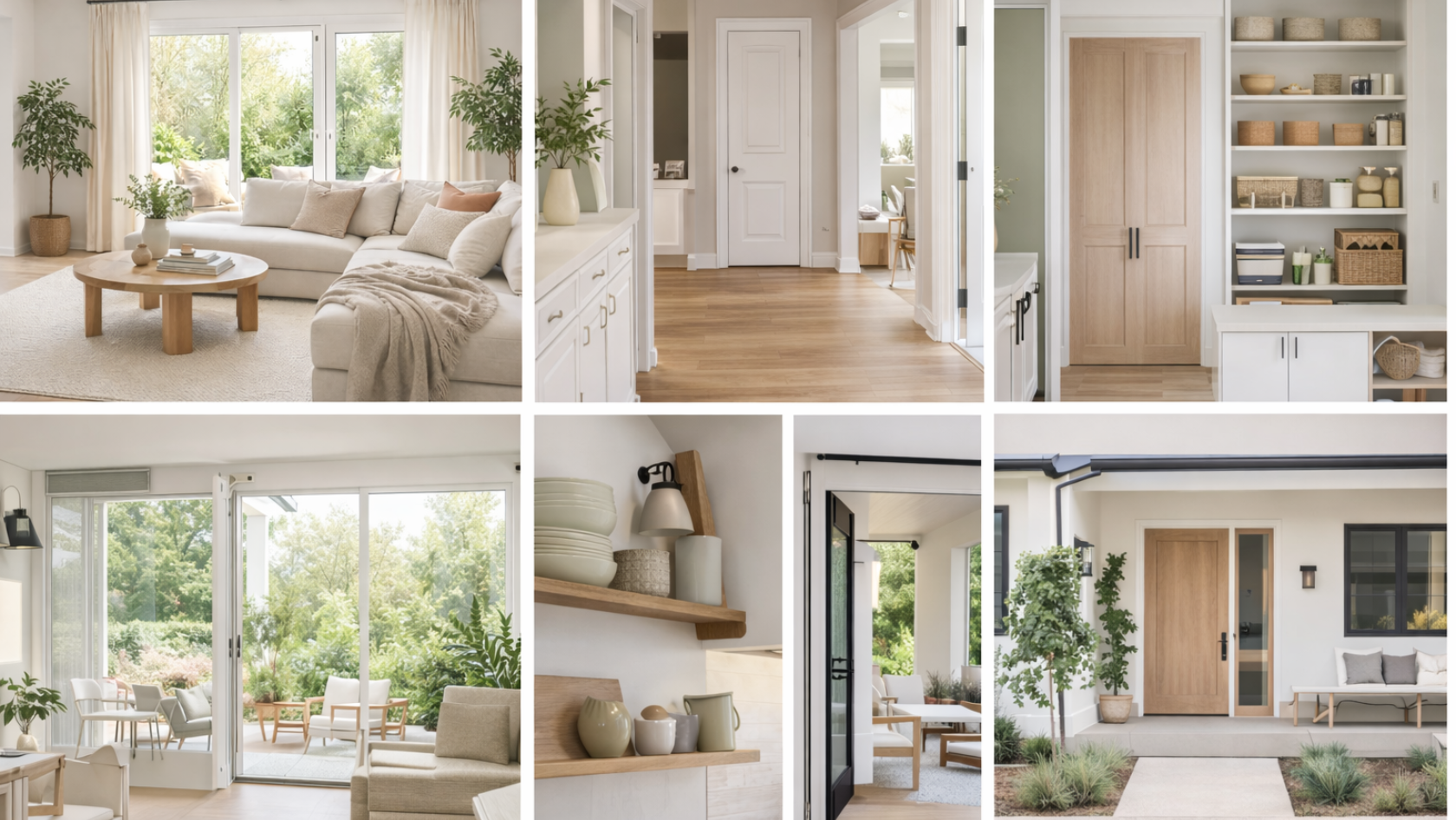
Trend #1: The “Starter Home” Is About Fit, Not Size
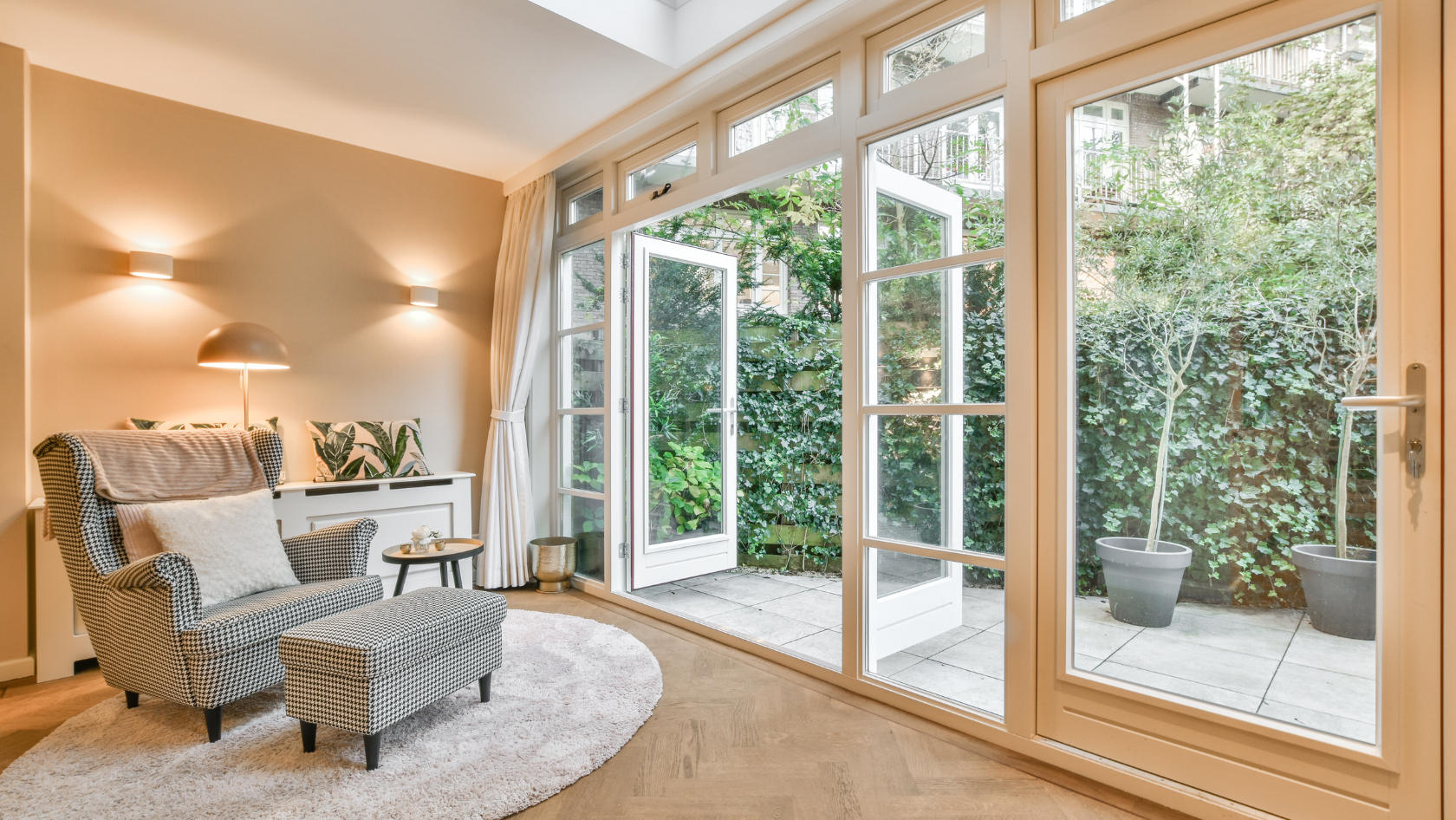
Today’s buyers are redefining what a starter home looks like. For many buyers, comfort and flexibility now matter more than stretching for extra square footage.
When touring homes, buyers often respond to:
Flexible rooms that can serve more than one purpose
Natural light and layouts that feel easy to live in
Outdoor spaces that extend living areas, even if they’re modest
Homes that feel emotionally comfortable tend to stay on buyers’ short lists longer, even when they’re smaller than expected.

Trend #2: Paint Color Still Shapes First Impressions
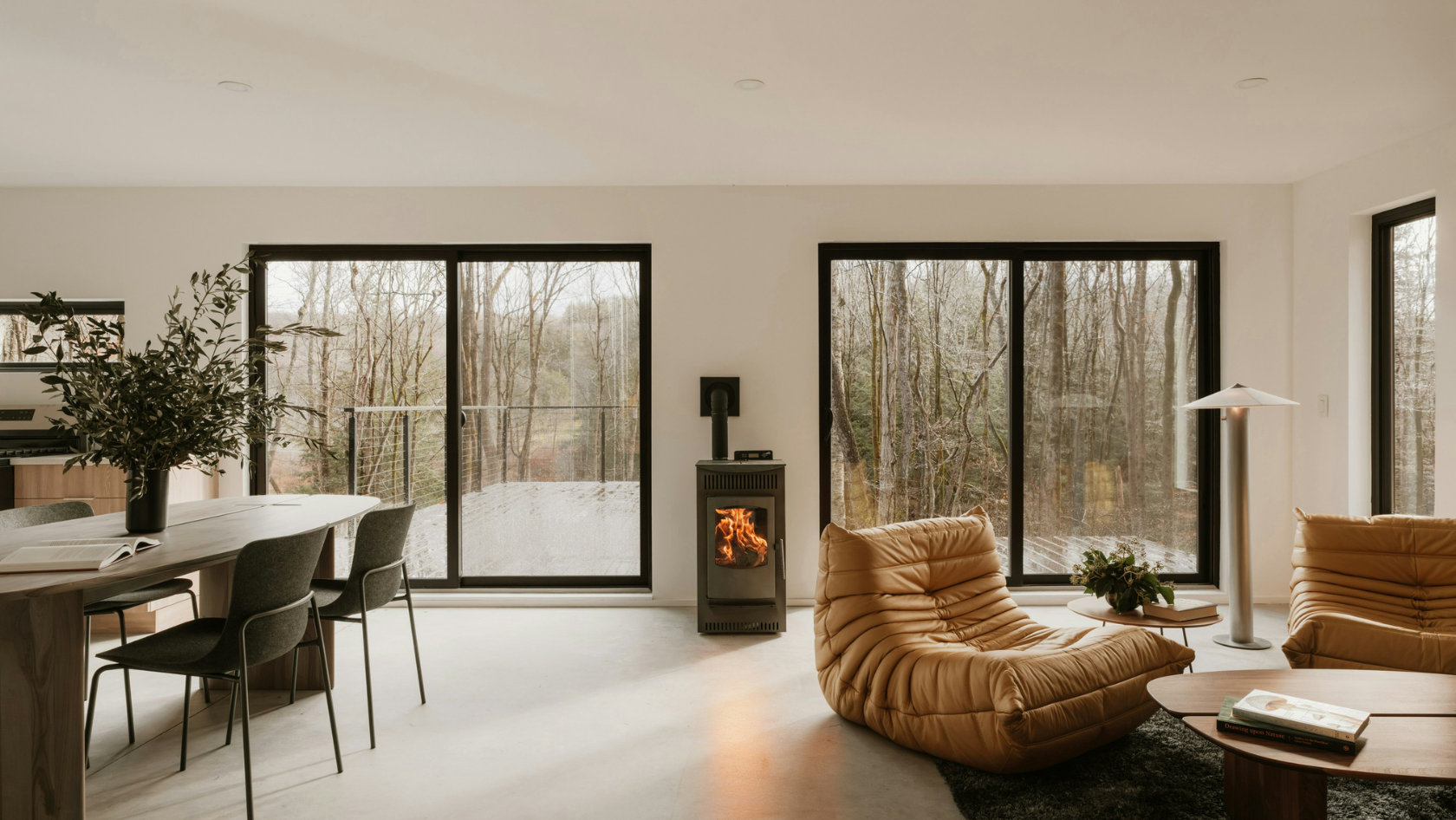
Paint remains one of the simplest ways a home communicates care and calm. Neutral, nature-inspired colors help buyers picture their own furniture and routines in the space.
Buyers tend to respond best to:
Soft creams, warm beiges, and gentle grays
Muted greens and blues drawn from natural landscapes
Consistent tones that flow from room to room
Homes with overly bold or highly personalized paint choices often create friction, not because buyers dislike them, but because they make it harder to imagine personalizing the space without extra work.
That said, if a home needs repainting, it doesn’t have to be a deal-breaker. For many buyers, it becomes part of a realistic improvement plan rather than a reason to walk away.
Trend #3: Social Media Is Influencing Buyer Expectations
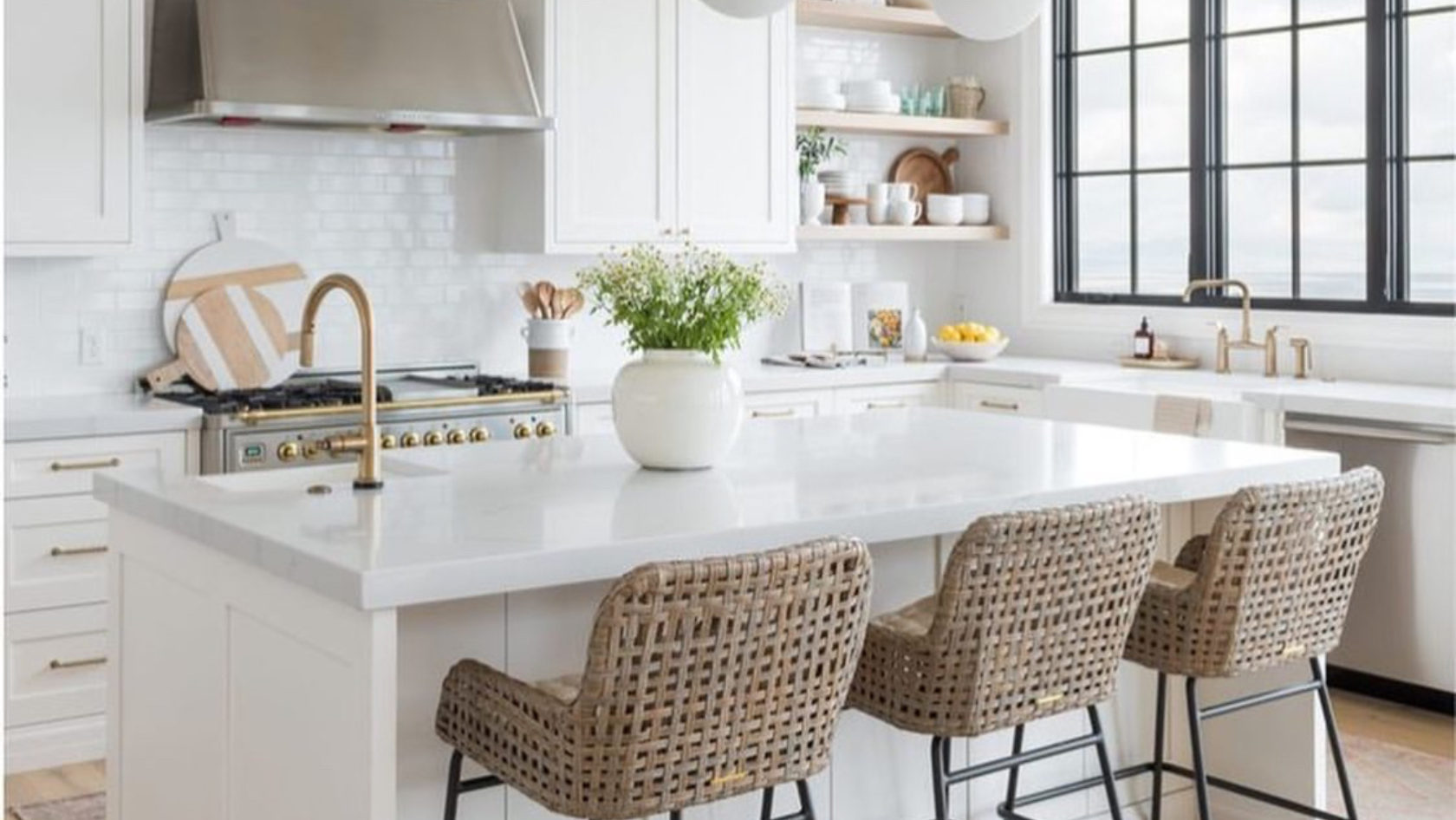
Design inspiration is everywhere now, and buyers are bringing those ideas with them to showings. Features that once felt aspirational are becoming part of everyday wish lists.
Buyers in often notice:
Walk-in pantries with organized storage
Kitchens that feel warm and handcrafted, not just updated
Small but intentional spaces like coffee bars, reading nooks, or mudroom drop zones
Details like these help buyers move from liking a home to picturing themselves living there.
Trend #4: Layout Is the New Measure of Value
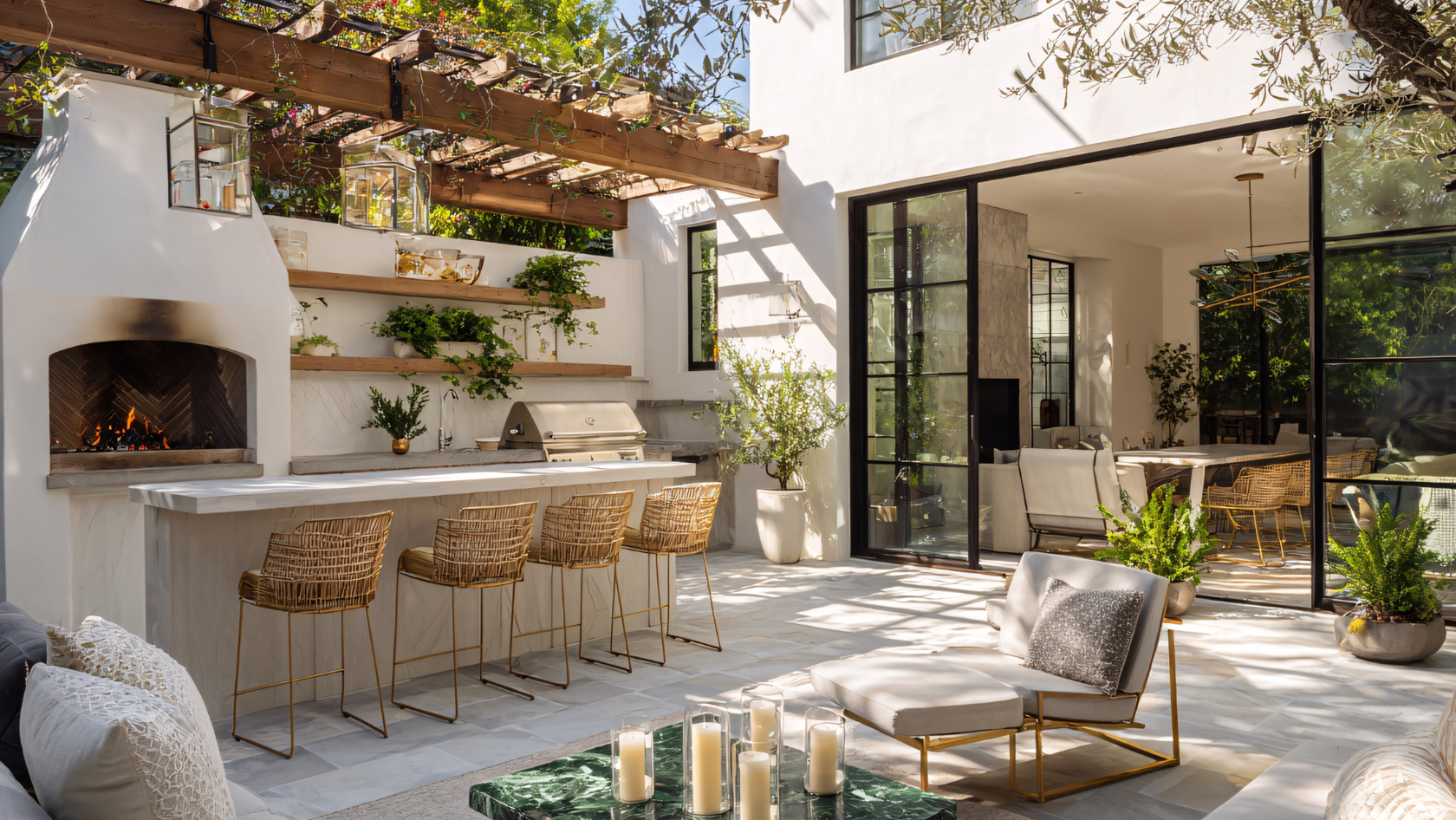
As affordability remains top of mind, layout has become one of the biggest decision drivers. When a home flows well, it tends to feel calmer and more livable, regardless of its size.
Buyers are paying close attention to:
Outdoor living areas that feel usable
Rooms that can adapt as needs change
Storage where it’s needed most, especially near entryways and kitchens
Many buyers are also moving away from oversized open concepts in favor of spaces that balance openness with privacy and purpose.

Trend #5: Craftsmanship Signals Longevity and Care
Buyers are increasingly drawn to homes that feel thoughtfully built or well-maintained. Craftsmanship is no longer seen as decorative, but as a sign of durability and intention.
Details buyers often value include:
Built-in shelving or storage
Custom lighting and hardware
Natural materials like wood, stone, and metal
These elements often reduce the need for immediate upgrades and help explain why two similar homes can feel very different in person.

Trend #6: Curb Appeal Is About Calm, Not Flash
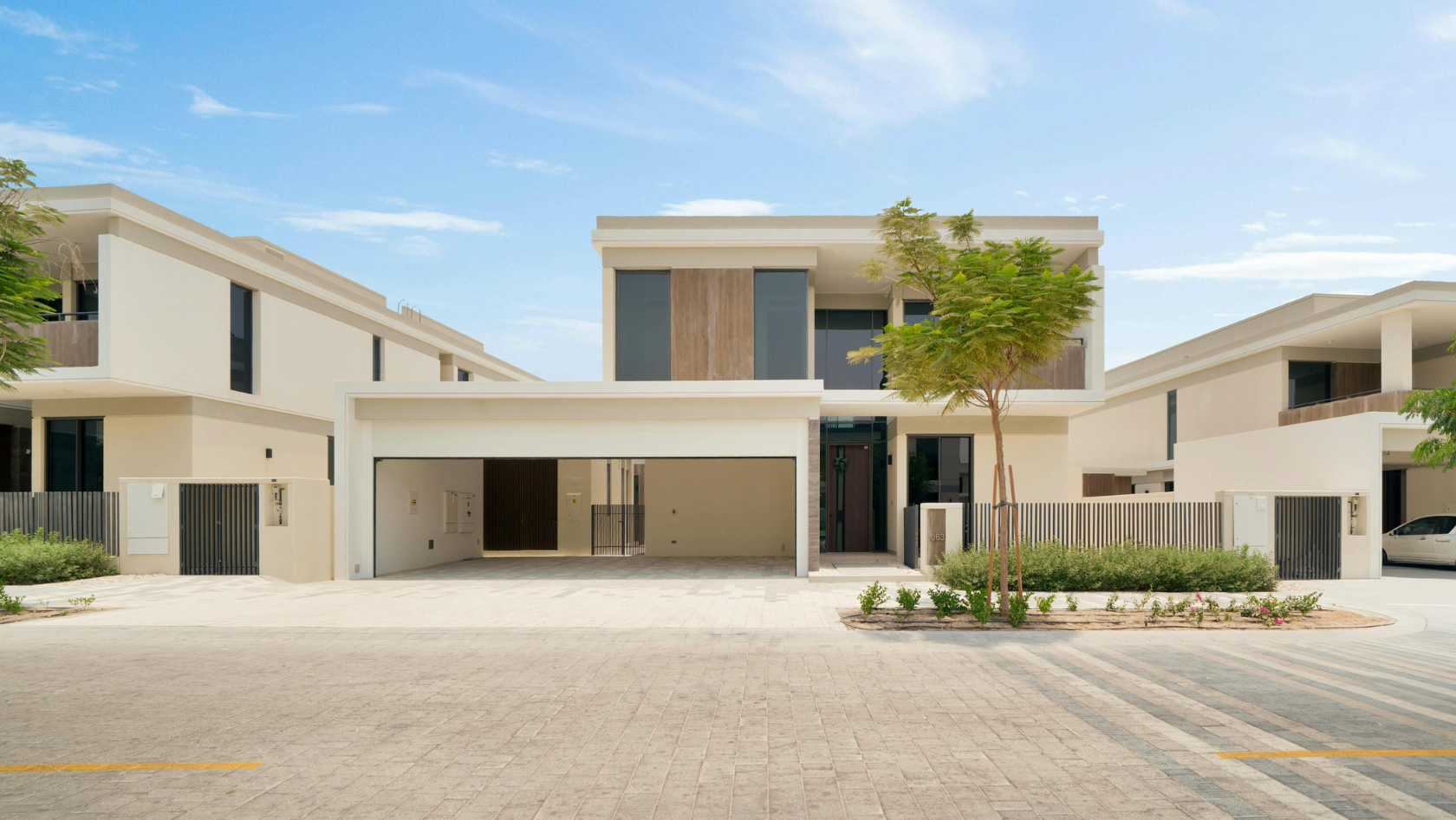
First impressions still matter, but buyers are responding more strongly to homes that feel balanced and cared for, rather than bold or dramatic.
Exterior features that tend to resonate include:
Clean, low-maintenance landscaping
A polished front door and entry
Outdoor seating areas that suggest livability
A calm exterior sets the emotional tone for the entire showing.
What Today’s Buyers Value Most Overall
When you step back from the individual trends, the bigger story is less about specific finishes or features and more about mindset. Buyers are slowing down and thinking more deliberately about both how a home will support their lifestyle and how it fits financially.
Across markets, five themes consistently shape how buyers evaluate homes:
Emotional comfort matters just as much as logic, especially when decisions feel financially heavier than they did a few years ago.
Homes that feel easy to live in tend to outperform homes that simply offer more space.
Flexibility has become a form of security, helping buyers imagine how a home will adapt as their needs change.
Signals of care and quality build trust, while overly personal or visually loud choices introduce hesitation.
First impressions set the emotional tone, and calm, welcoming homes create momentum more effectively than dramatic ones.
Taken together, these takeaways reflect a shift away from perfection and toward practicality.
Buyers are less interested in being impressed and more interested in feeling at ease. Homes that create that feeling often attract more interest and help buyers feel confident moving forward.
How These Trends Can Help You Make a Smarter Home Decision in Staten Island
Taken together, these trends reflect a shift away from perfection and toward practicality.
In Staten Island, many buyers in 2026 will be drawn to homes that feel comfortable and adaptable without pushing beyond what feels financially realistic.
Knowing what buyers actually respond to helps you prepare with intention, rather than spending time and money on updates that won’t affect how buyers evaluate the home.
—
Joseph Ranola | Five-Star Staten Island & South Brooklyn Realtor® (30 + Google reviews)
Associate Broker · Matias Real Estate | Founder · Bridge & Boro Team
Serving 103xx and 11209 / 11214 / 11228 | $25 M + closed volume
📞 917-716-1496 | ranolarealestate.com
Check out this article next