
Proper roof ventilation is one of the least understood parts of home health. When it fails, heat and moisture get trapped in the attic, causing shingle damage, mold, structural deterioration and even higher energy bills. In Staten Island and South Brooklyn, where homes often have older ridge vents or blocked soffits, this issue shows up more than most homeowners realize.
Here’s how to tell when roof ventilation has become a problem.

Early Warning Signs of Poor Ventilation
Excessive attic heat even in mild weather.
Condensation on rafters or attic sheathing.
Dark staining or mold on wood surfaces.
Wavy or prematurely curling shingles caused by trapped heat.
Ice dams in winter, a sign of heat escaping into the attic.
Musty attic smell even when dry conditions exist.
Rusting nails or metal fasteners inside the attic.
Why It’s Common in Staten Island and Brooklyn
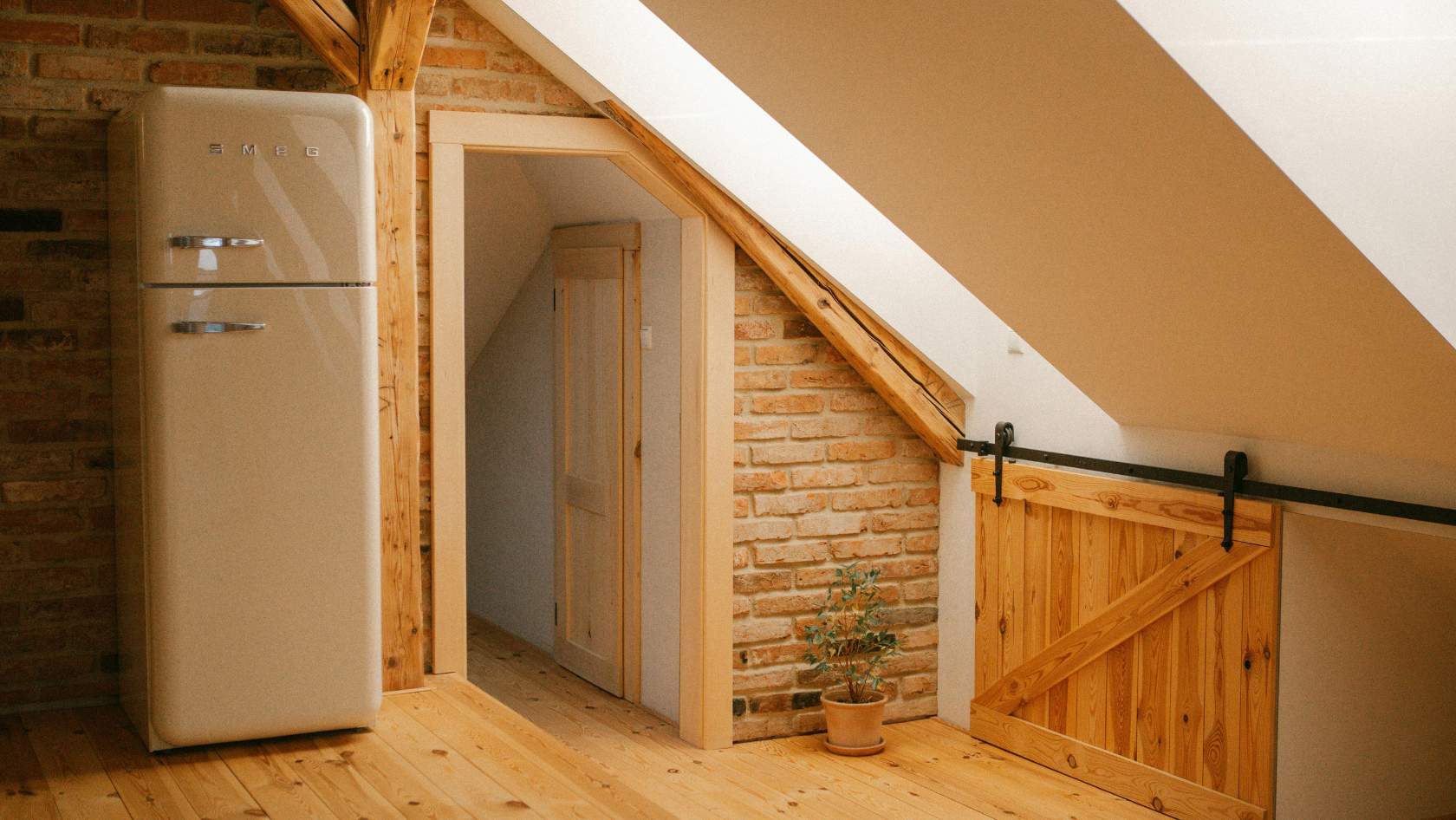
Many homes in 103xx and 11209 / 11214 / 11228 were built with minimal ventilation, usually a few gable vents or aging soffit channels. Renovations often block airflow without homeowners realizing it. Added insulation without ventilation upgrades can trap heat and moisture, accelerating roof decline.
What Homeowners Should Do
Check attics on hot and cold days for airflow and moisture.
Confirm soffits are open, not painted or clogged shut.
Inspect ridge vents to ensure they are functioning and unobstructed.
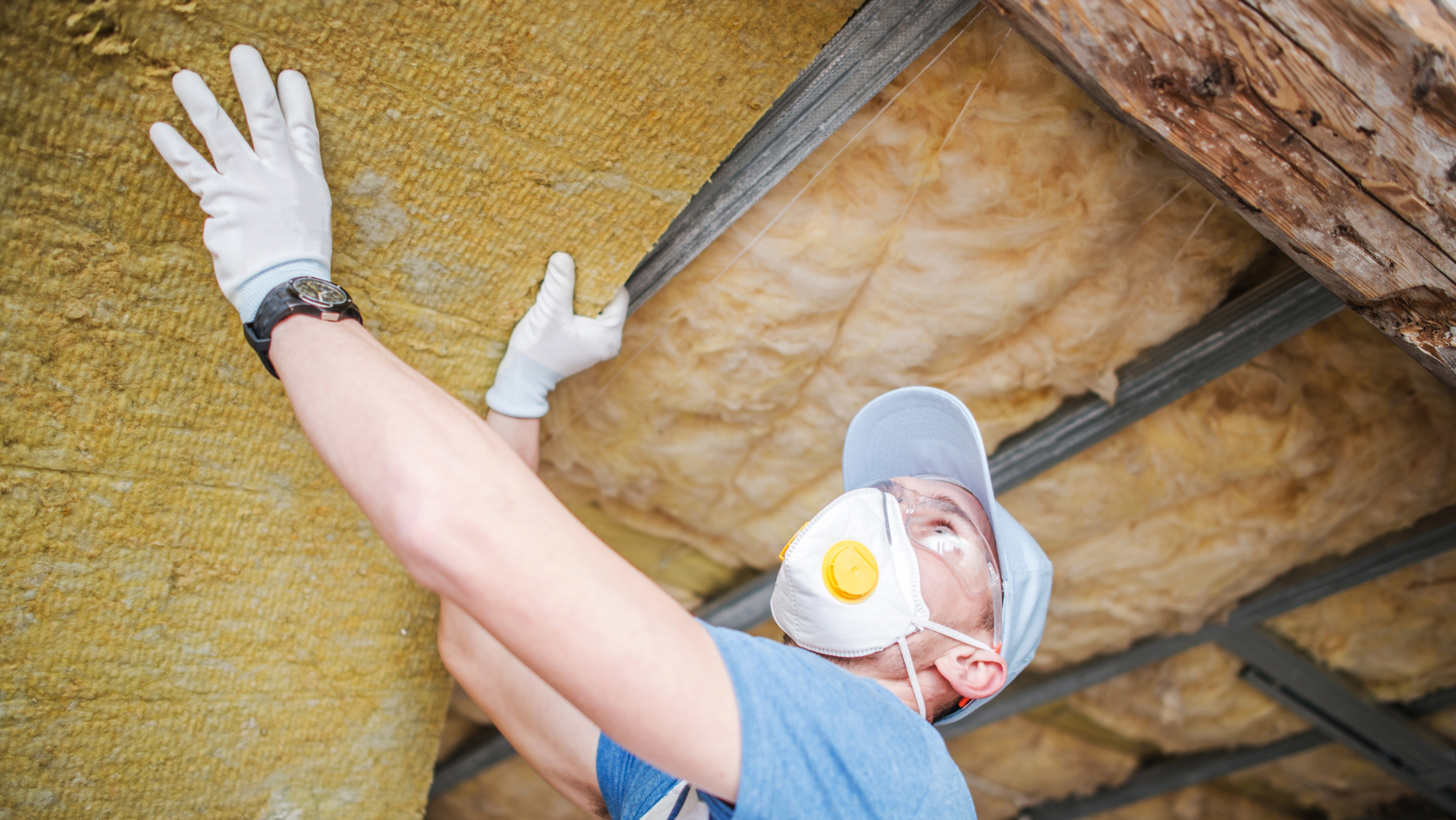
Add baffles when increasing attic insulation.
Ask a roofer to measure attic temperature vs outdoor temperature.
Proper ventilation extends roof lifespan and helps avoid moisture-related structural issues.
—
Joseph Ranola | Five-Star Staten Island & South Brooklyn Realtor® (30 + Google reviews)
Associate Broker · Matias Real Estate | Founder · Bridge & Boro Team
Serving 103xx and 11209 / 11214 / 11228 | $25 M + closed volume
📞 917-716-1496 | ranolarealestate.com
Check out this article next