
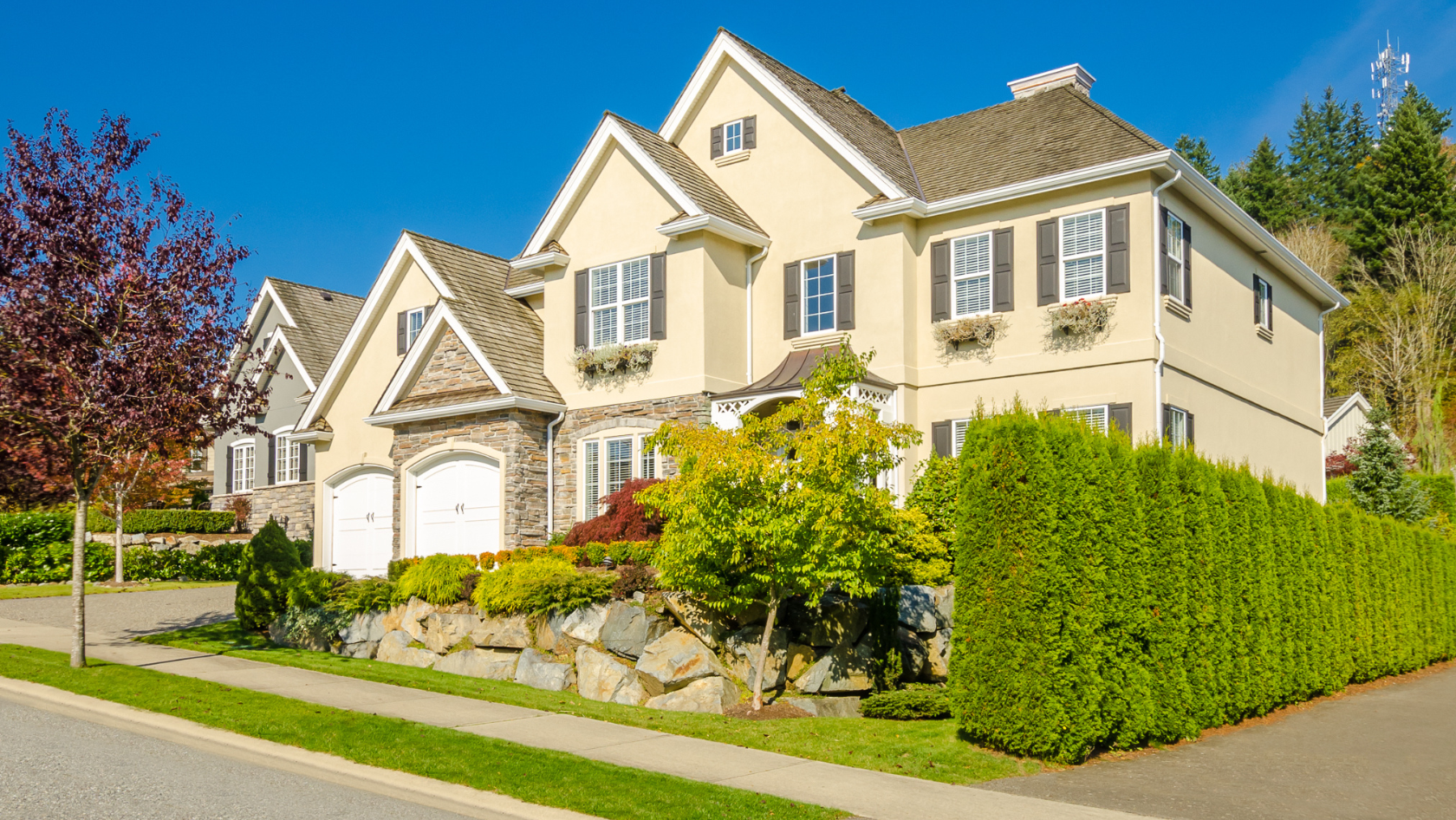
Accessory Dwelling Units are gaining momentum under the City of Yes plan. One of the most important pieces of the proposal is how tall an ADU can be and where it can sit on the lot. These rules ensure ADUs fit within the scale of existing neighborhoods.

Height Rules for ADUs
According to draft guidance from NYC Department of City Planning:
ADUs can generally be up to 16 feet tall for single story structures.
Two story ADUs may be allowed if they fall within overall zoning height limits.
Height must respect sky exposure, distance from property lines and fire code.
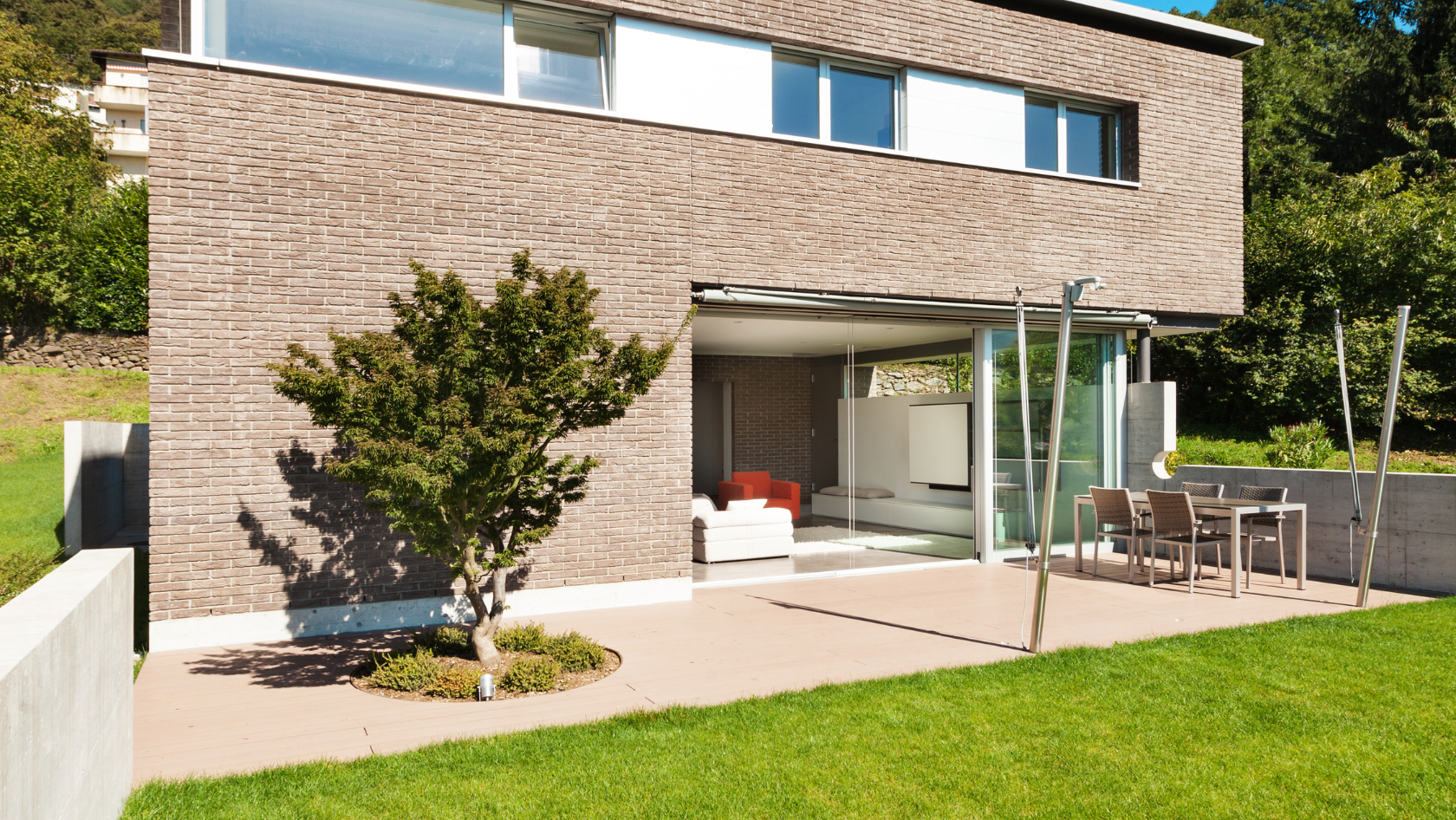
Setback Rules for ADUs
ADUs must typically maintain a 5 foot setback from rear and side property lines.
On corner lots, side yard rules may vary based on street frontage.
Attached ADUs must follow the same setbacks as the primary structure.
Existing garages being converted may keep their original nonconforming placement in many cases.

Why It Matters in Staten Island and Brooklyn
Staten Island has larger lots where detached ADUs can meet height and setback rules easily.
Brooklyn homeowners often benefit most from garage conversions, since keeping the original footprint avoids setback limitations.

What Homeowners Should Review
Lot width and depth
Location of existing accessory structures
Distance from neighboring homes
Whether the ADU is attached or detached
Any special flood or coastal rules
Height and setback rules shape the size, location and feasibility of ADUs — understanding them early makes planning smoother.
—
Joseph Ranola | Five-Star Staten Island & South Brooklyn Realtor® (30 + Google reviews)
Associate Broker · Matias Real Estate | Founder · Bridge & Boro Team
Serving 103xx and 11209 / 11214 / 11228 | $25 M + closed volume
📞 917-716-1496 | ranolarealestate.com
Check out this article next