
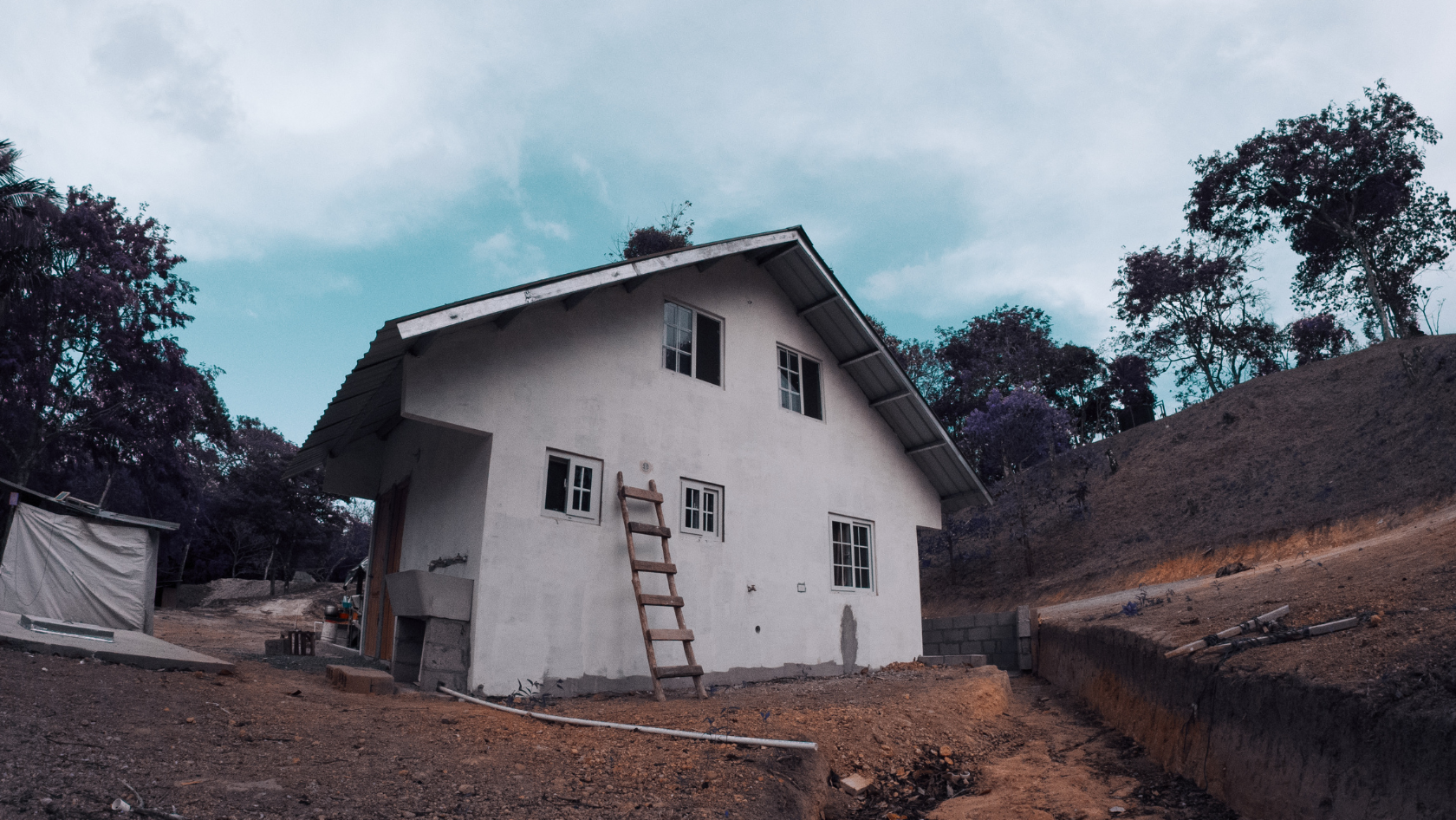
Foundation settlement is one of the most misunderstood structural issues in older homes. It’s also one of the most expensive problems to ignore. Staten Island and South Brooklyn homes sit on mixed soil conditions - clay pockets, sandy areas and filled land which means settlement happens unevenly. Small signs can indicate much bigger movement below the surface.
Here’s how to recognize early settlement before it becomes a major repair.
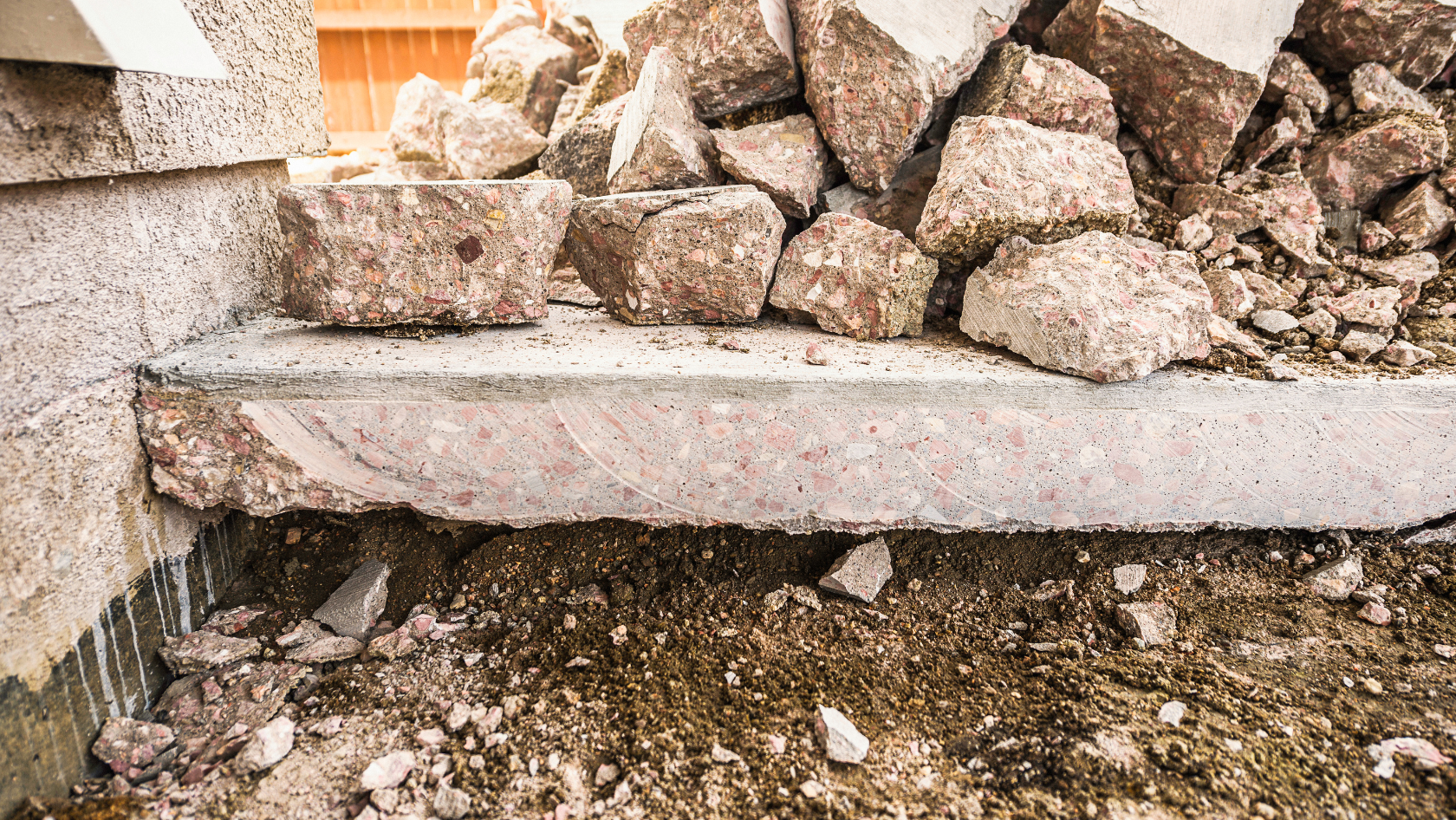
The Most Telling Early Signs
Stair-step cracks in masonry or foundation walls.
Interior drywall cracks that align with door frames or corners.
Doors sticking or not latching due to shifting frames.
Floors sloping or dipping toward the center of the home.
Gaps opening along baseboards or between walls and ceilings.
Cracks that reappear after patching, especially in the same direction.
Why It Happens Locally
Staten Island has significant soil variation between neighborhoods. Parts of Great Kills, Oakwood and Eltingville sit on clay that swells when wet and shrinks when dry. Brooklyn neighborhoods like Dyker Heights and Bensonhurst often have filled land with inconsistent compaction. This creates long-term movement as the foundation responds to moisture and load patterns.
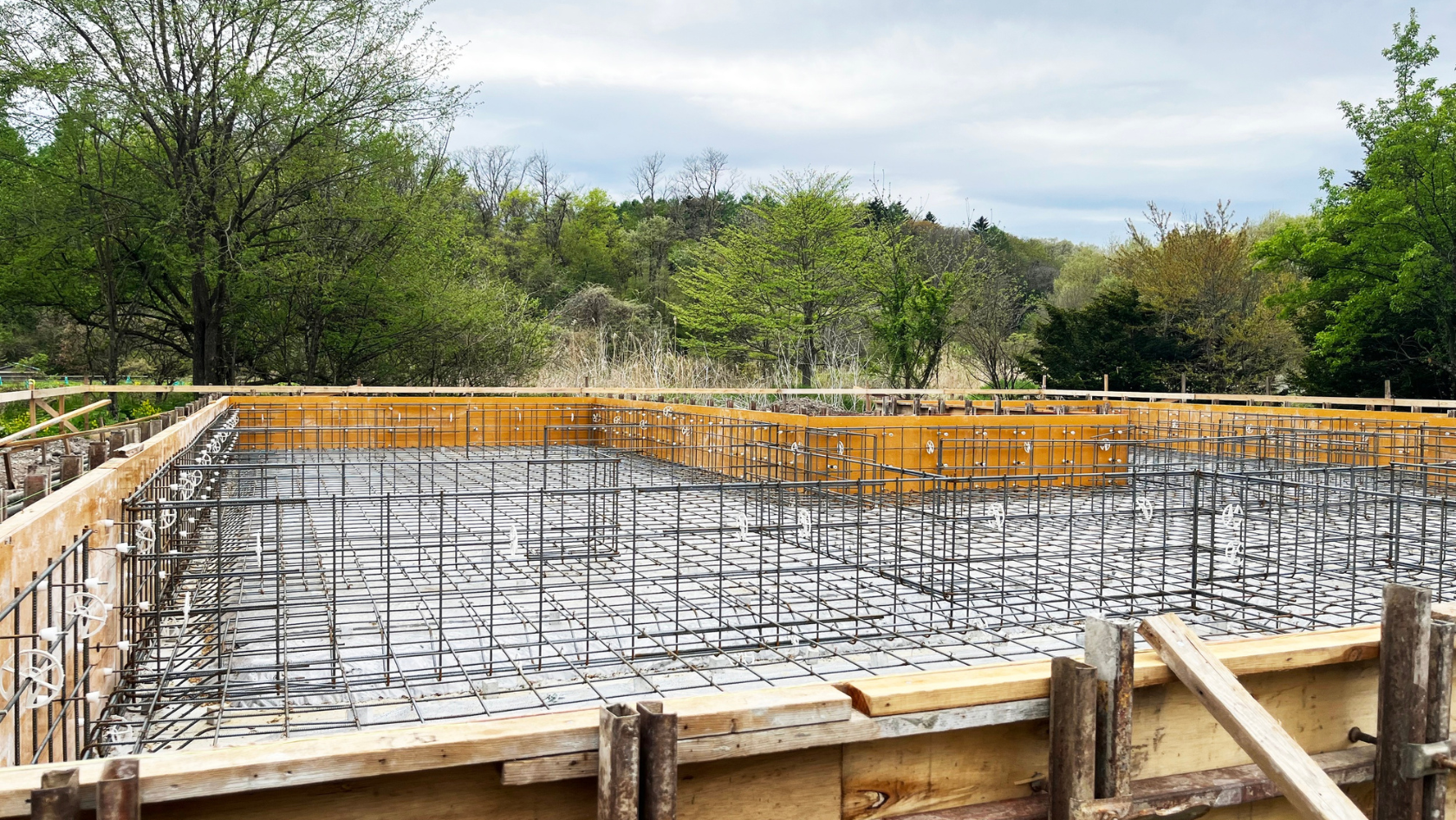
What Homeowners and Buyers Should Do
Document cracks and monitor whether they grow or change.
Check for patterns - patterns reveal structural movement.
Have a structural engineer evaluate persistent or spreading cracks.
Repair water drainage issues, which often cause foundation shifts.
Never assume settlement is “done” simply because the home is old.
Early detection is the difference between minor repair and structural intervention.
—
Joseph Ranola | Five-Star Staten Island & South Brooklyn Realtor® (30 + Google reviews)
Associate Broker · Matias Real Estate | Founder · Bridge & Boro Team
Serving 103xx and 11209 / 11214 / 11228 | $25 M + closed volume
📞 917-716-1496 | ranolarealestate.com
Check out this article next