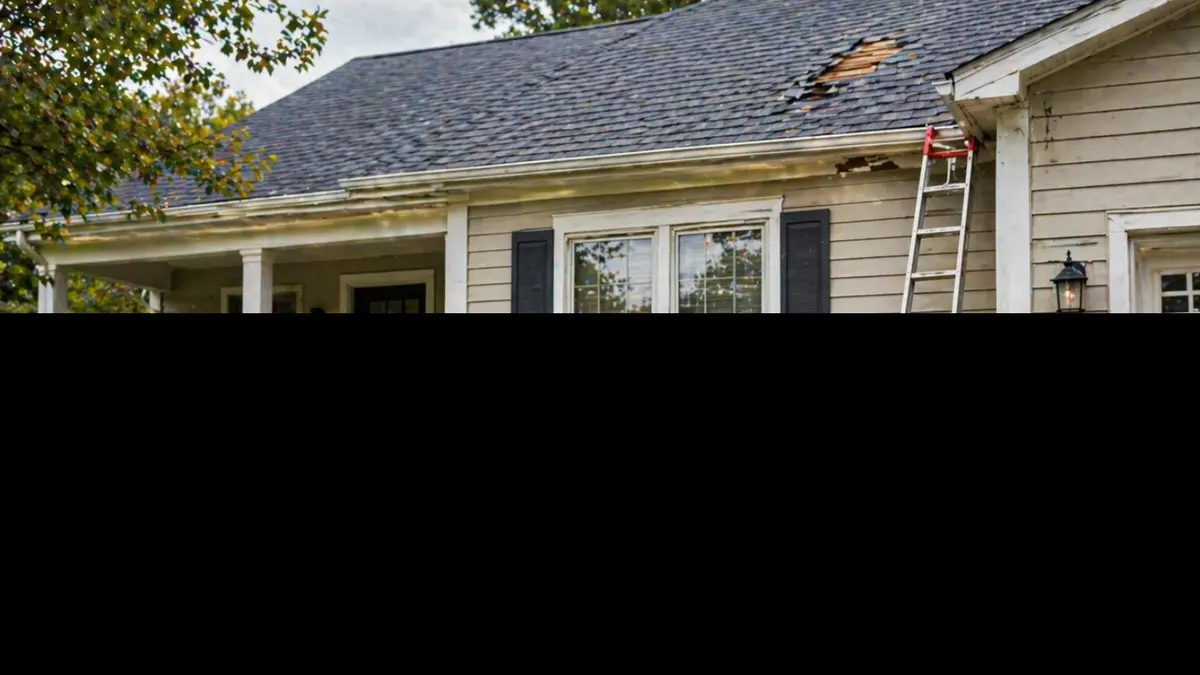
Homeownership comes with a lot of things nobody warns you about. The mortgage you planned for. The $12,000 roof replacement? Not so much.
Most people know things break eventually. It's just part of owning a place. What catches us off guard is how fast a small problem can spiral once a home starts aging and repair costs keep climbing. A slow drip under the sink becomes a subfloor replacement. A rattling HVAC becomes a full system swap. It happens faster than you'd think, and rarely (if ever) at a convenient time.
The good news is most of these expensive surprises aren't actually that surprising if you know what to look for. The repairs that blindside homeowners tend to follow a pattern: they stay hidden, and then one day they don't. It feels random. It’s usually not.
Knowing what those surprise repairs are and roughly what they cost in Staten Island and South Brooklyn puts you in a much better spot to handle them without the panic.
Here's what tends to catch homeowners off guard, and what you can do to get ahead of it.
The 6 Costliest Surprise Repairs Homeowners Face
A recent report found that 76% of homeowners had a repair or home-related issue that impacted their finances last year. The most expensive repairs tend to build over time, behind the scenes of day-to-day life, and then suddenly they can't be ignored. Across the U.S., these are the six issues that blindside homeowners most often and carry the biggest price tags.
1. Roofing
Most homeowners don't think about their roof until something goes wrong or an insurance renewal forces the conversation. By then, there's not much room to delay.
Typical lifespan: 15 - 20 years
Replacement cost: $8,000 - $13,000
Insurance trigger point: around 15 years in some markets
Insurance trend example: 280% increase in nonrenewals since 2018 in high-risk areas
2. Foundation Issues
Foundation problems have a way of looking minor for a long time. A small crack or shift can be easy to brush off, but sometimes it points to something more serious going on underneath.
Basic repair costs: $2,200 - $8,100
Major repairs (lifting/leveling): $20,000 - $30,000
Common triggers: soil movement, moisture changes, seasonal shifts
3. HVAC Systems
Heating and cooling systems tend to run smoothly in the background right up until they stop working. When that happens, the cost depends a lot on what failed and how old the system is.
Repair range: $100 - $9,000+
Full replacement: $5,000 - $15,000
Cost drivers: system size, type, and home requirements
4. Sewer Line Failures
Most homeowners never think about their sewer line until there's a backup. The problem is the damage builds up gradually underground, and by the time it's obvious, the repair bill is rarely small.
Typical failure timeline: 10+ years
Replacement cost: $20,000 - $40,000
Inspection note: requires a specific sewer scope, not always included
5. Plumbing Problems
A slow drip or a minor leak is easy to put off. But water damage doesn't wait, and what starts as a small fix can turn into a much bigger project once walls or flooring get involved.
Repair costs: $125 - $5,000
Escalation risks: water damage, mold remediation, structural drying, reconstruction
6. Termite or Pest Damage
Pest damage is easy to miss because it usually stays hidden inside walls and framing until it's well established. By the time it shows up visually, the repair scope tends to be significant.
Treatment cost: $5,000 - $15,000 in higher-risk regions
Inspection cost: around $200
Risk factors: climate, construction type, and local prevalence
How Homeowners Can Plan Ahead and Reduce Risk
Most surprise repairs aren't actually that surprising in hindsight. There were usually early signs or a window to catch the problem before it got expensive. The difference is usually just how proactive the homeowner was willing to be.
Here are a few home maintenance strategies that make a real difference.
Build a stronger inspection routine. A standard home inspection is a good starting point, but adding a sewer scope or pest inspection fills in a lot of blind spots that a basic walkthrough won't catch.
Schedule a yearly checkup. An annual inspection is one of the cheapest ways to stay ahead of problems. Catching something small early is almost always cheaper than dealing with it after it's had time to grow.
Keep aging systems on your radar. Older electrical panels, worn HVAC units, and outdated components tend to struggle under modern demand.
Know what your insurance actually covers. Most homeowners don't read the fine print until they need to file a claim. Policies vary a lot, and gaps in coverage can leave you on the hook for damage you assumed was protected.
Get more than one bid. Repair costs can swing widely depending on who you call. Comparing a few written estimates before committing helps you avoid overpaying.
Homeowners who stay on top of maintenance rarely face the worst of it. When something does go wrong, they're usually in a much better position to handle it without the stress of being caught off guard.
Smart Budgeting and Cost Control Strategies
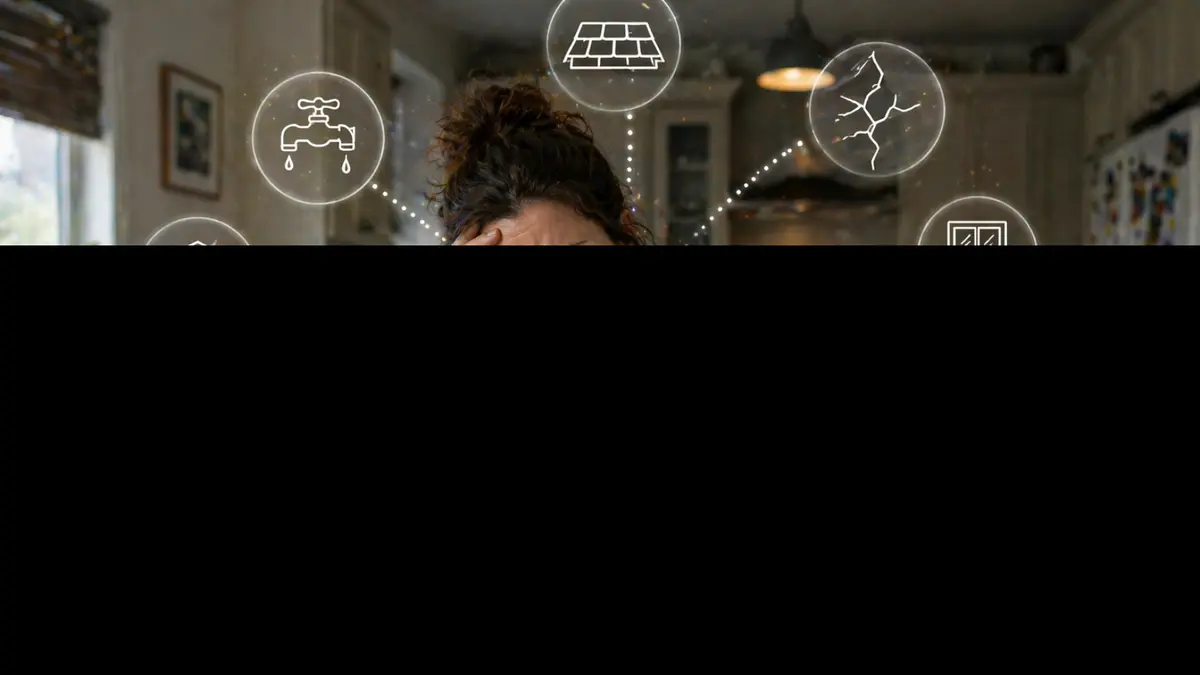
Even with good maintenance habits, breakdowns are going to happen. The goal is to be financially ready for them so they don't derail everything else.
Having a plan for pricey repairs makes those moments a lot less stressful, especially as home repair costs keep rising:
Follow a simple savings rule. Setting aside a small percentage of your home's value each year gives you a cushion for routine upkeep and bigger repairs without having to scramble.
Make it a monthly habit. Contributing a set amount each month is easier to stick to than trying to save a lump sum, and it keeps money available when you need it.
Handle repairs sooner rather than later. Waiting almost always makes things worse and more expensive. Addressing something early usually keeps the damage from spreading to other parts of the home.
Slow down before you hire. When something feels urgent, it's easy to overpay or pick the wrong contractor. Taking a breath and doing a little research first usually leads to a better outcome.
Get a few written estimates. A handful of quotes gives you a realistic sense of what a repair should cost and makes it easier to spot anyone who's pricing way outside the norm.
Look at the bigger picture. Some repairs are worth doing right the first time, even if it costs more upfront. Upgrading an aging system while you're already in there can save money down the road.
Homeowners who treat maintenance as a regular expense tend to stay in a stronger financial position. They make decisions based on what's actually best for the home, not just what feels most urgent at the moment.
_____
Joseph Ranola | Bridge and Boro Team at Real Broker LLC 90+ Five-Star Google Reviews | Serving Staten Island & Brooklyn
Follow on Instagram: @ranolarealestate
Check out this article next